1 hr
Milan: Last Supper by Da Vinci — Guided Visit
- Entry ticket
- Mobile voucher
- Valid same day
- Free cancellation
Last Supper Tickets — Timed Entry to Leonardo's Refectory Mural
Fifteen minutes with Leonardo, four hundred with the city.
Compare fares, pick the fit — all bookings are mobile-voucher and eligible for free cancellation where shown.
1 hr
1 hr
3 hr 30 min
| Experience | Duration | Rating | Skip-the-line | Guide | Small group | Free cancel. | Price | |
|---|---|---|---|---|---|---|---|---|
|
Standard Entry
Most popular
Milan: Last Supper by Da Vinci — Guided Visit
|
1 hr | ★ 4.7 | ✓ | ✓ | — | ✓ | €89 | Book → |
|
Guided Experience
Milan Skip-the-Line Last Supper Guided Tour
|
1 hr | ★ 4.7 | ✓ | ✓ | ✓ | ✓ | €99 | Book → |
|
Standard Entry
Milan Highlights & Da Vinci's Last Supper Tour
|
3 hr 30 min | ★ 4.4 | ✓ | ✓ | — | ✓ | €119 | Book → |
Worth it for anyone who books ahead
At 15 EUR per person, Last Supper Tickets cost less than a decent Milan lunch, and that fee covers standard admission plus the mandatory reservation charge. What you get in return is a strictly rationed slot in the refectory of Santa Maria delle Grazie, standing in front of Leonardo da Vinci's original mural rather than a reproduction. The common complaint is that the window is too short for the money and the booking hassle. Judged per minute, that is a fair objection. Judged against the alternative, it collapses: this tempera-on-plaster experiment cannot travel, cannot be lent, and survived a 1943 bomb that removed most of the surrounding building. The cenacolo pays off for anyone who cares about Renaissance painting, UNESCO heritage sites, or Milan landmarks with genuine scarcity. It pays off less for travellers who dislike rigid schedules and would rather roam the Brera or the Duomo rooftop freely.
Bottom line: Book the 15 EUR ticket direct at cenacolovinciano.org and skip the resellers — Last Supper Tickets tickets are worth the effort precisely because the scarcity is real.
Hand-picked experiences loved by thousands of travelers
3 hours
Free Cancellation
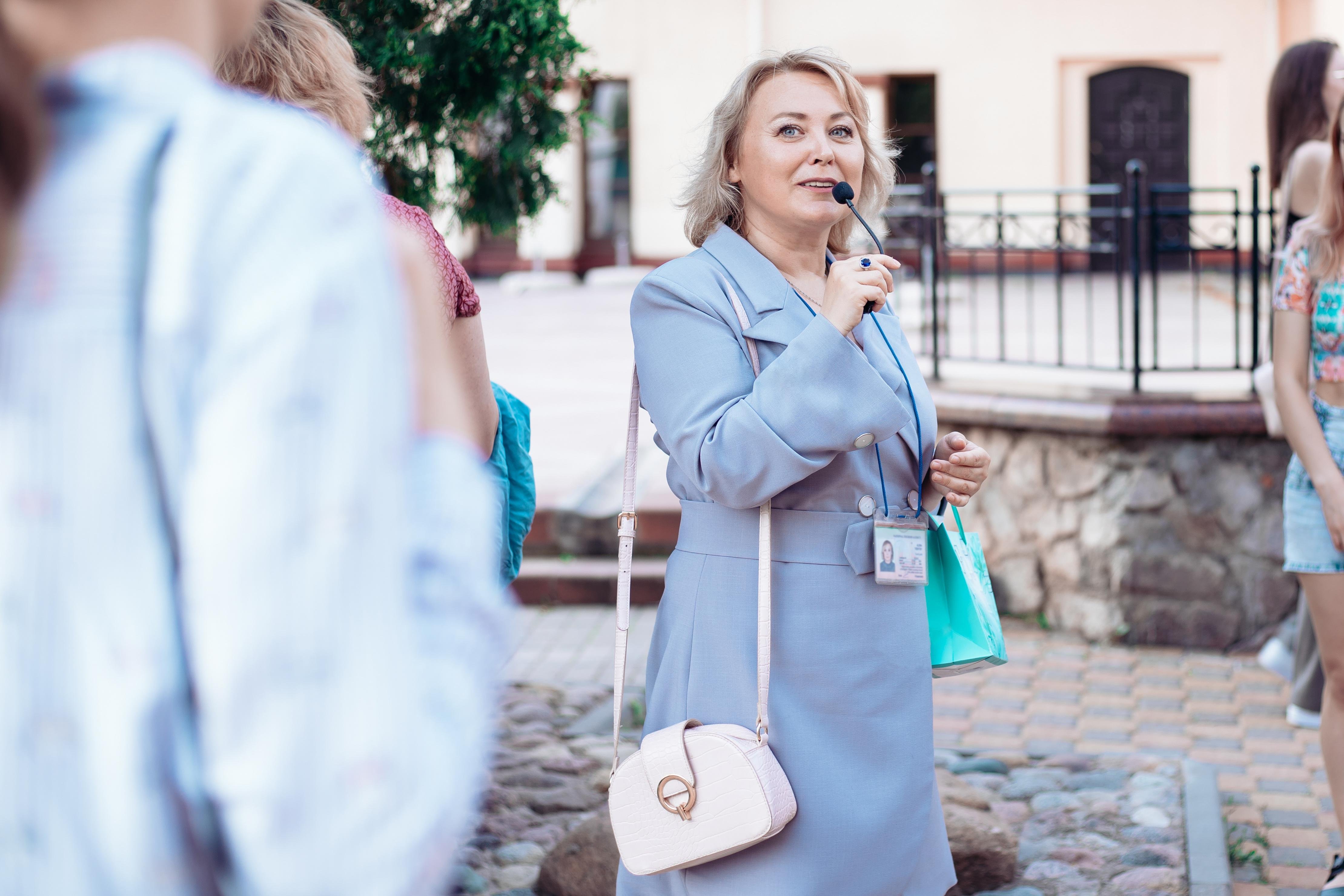
See Da Vinci's Last Supper with skip-the-line access, then stroll Milan's grandest landmarks with a licensed guide.
10 - 10.5 hours
Free Cancellation
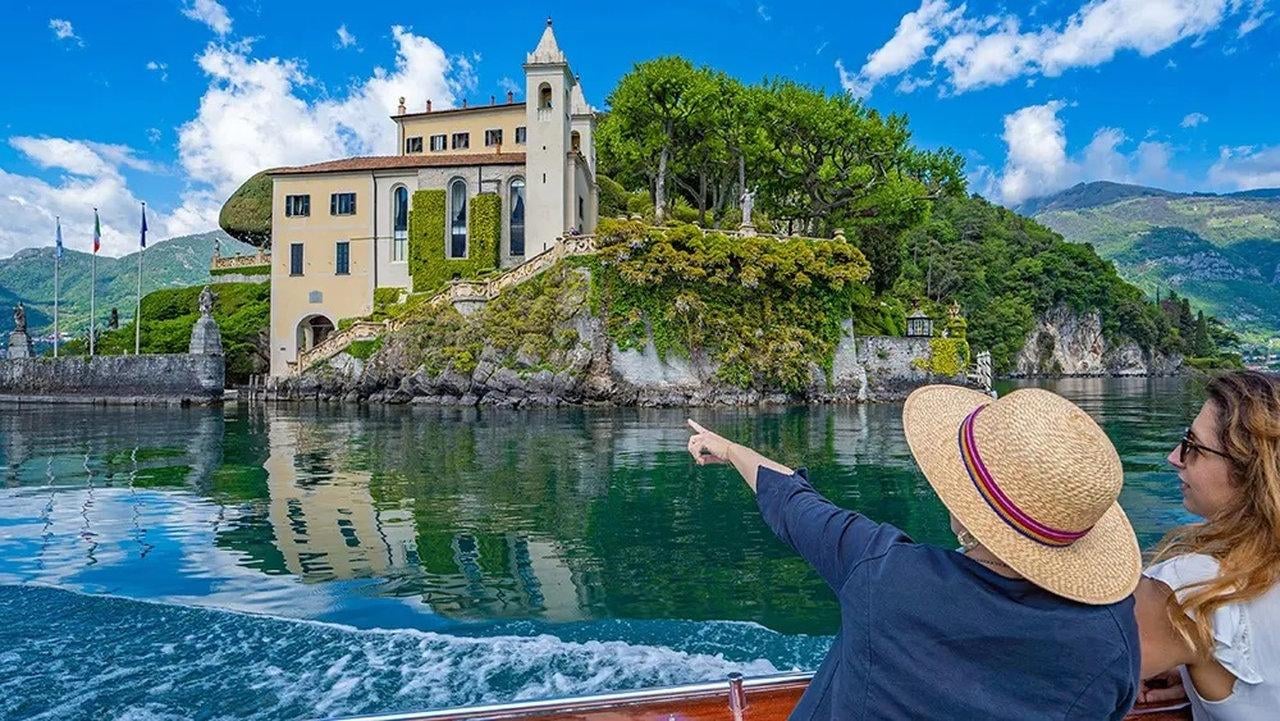
Full-day guided escape from Milan: express trains, a scenic boat cruise, and time in Bellagio & Varenna.
3 hours
Private 3-hour Milan tour with skip-the-line Duomo & Last Supper access, plus gelato.
Check in at the ticket office at least 30 minutes before your slot and show ID
Pass through security, store any bags or bulky items in a timed locker
Groups move through air-lock doors in stages toward the refectory
Enter the refectory for a strictly timed viewing of Leonardo's fresco and the opposing Crucifixion
Move quickly through the exit filter into the cloister courtyard
Step into the adjoining Church of Santa Maria delle Grazie, free entry
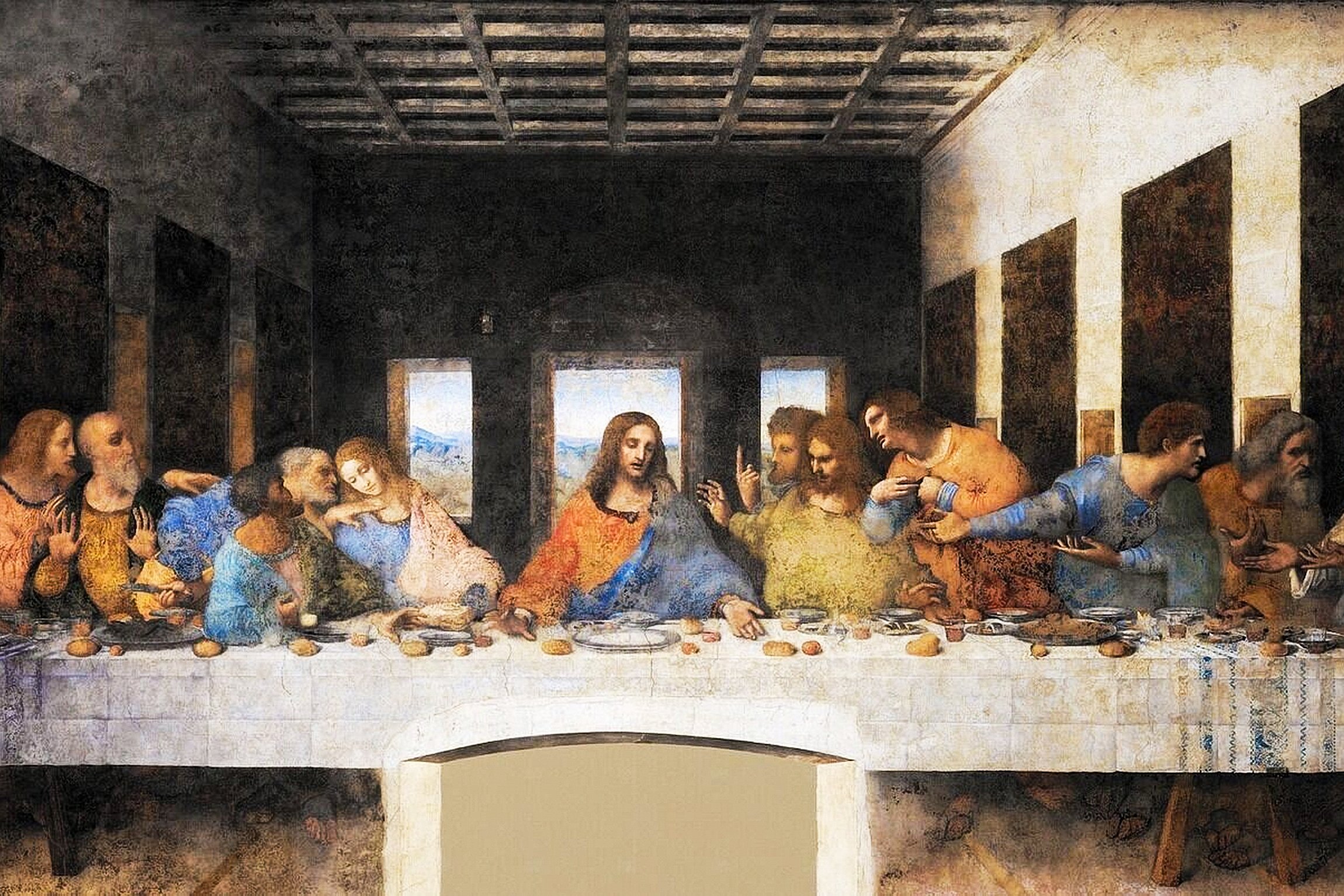
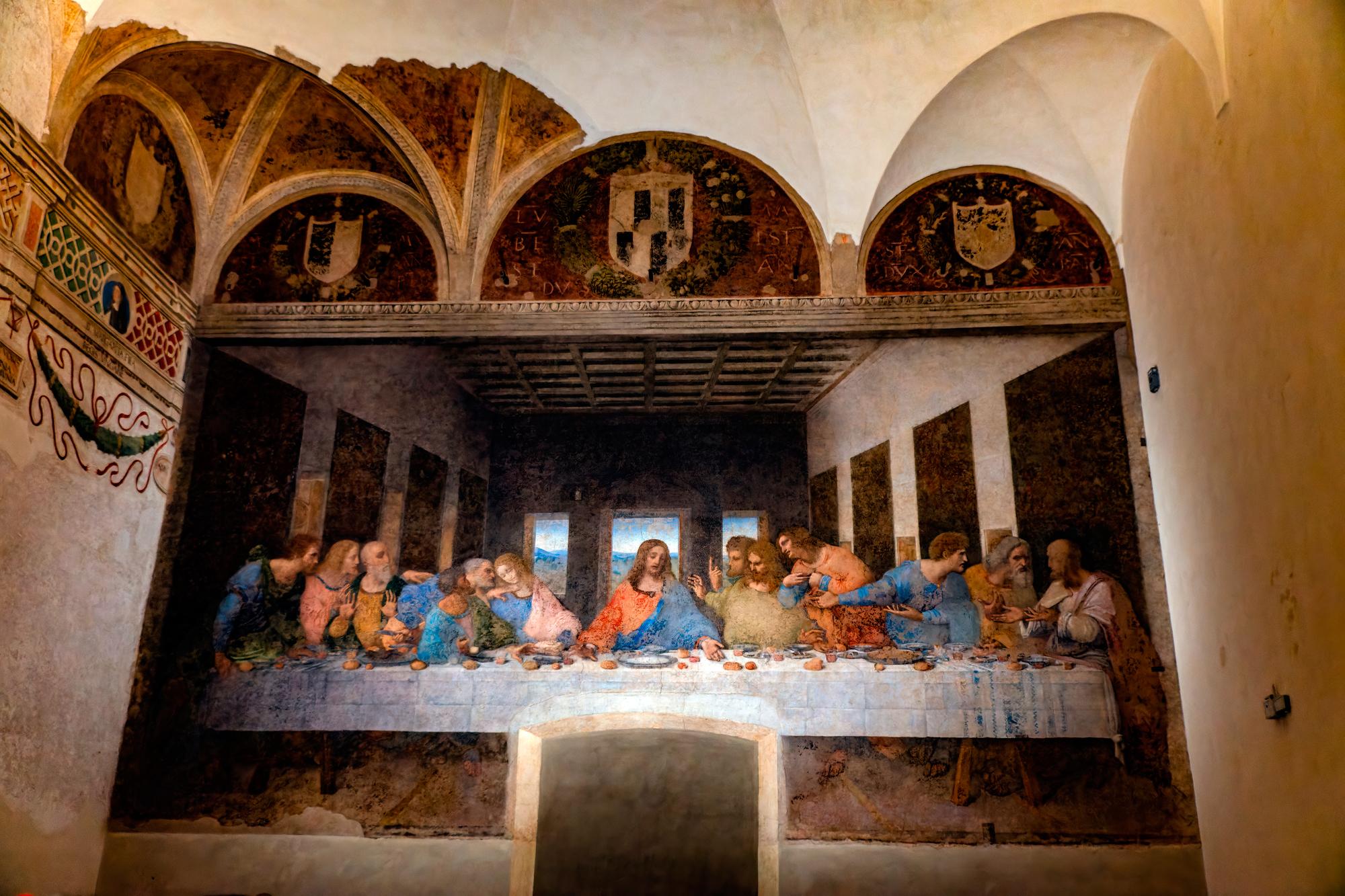
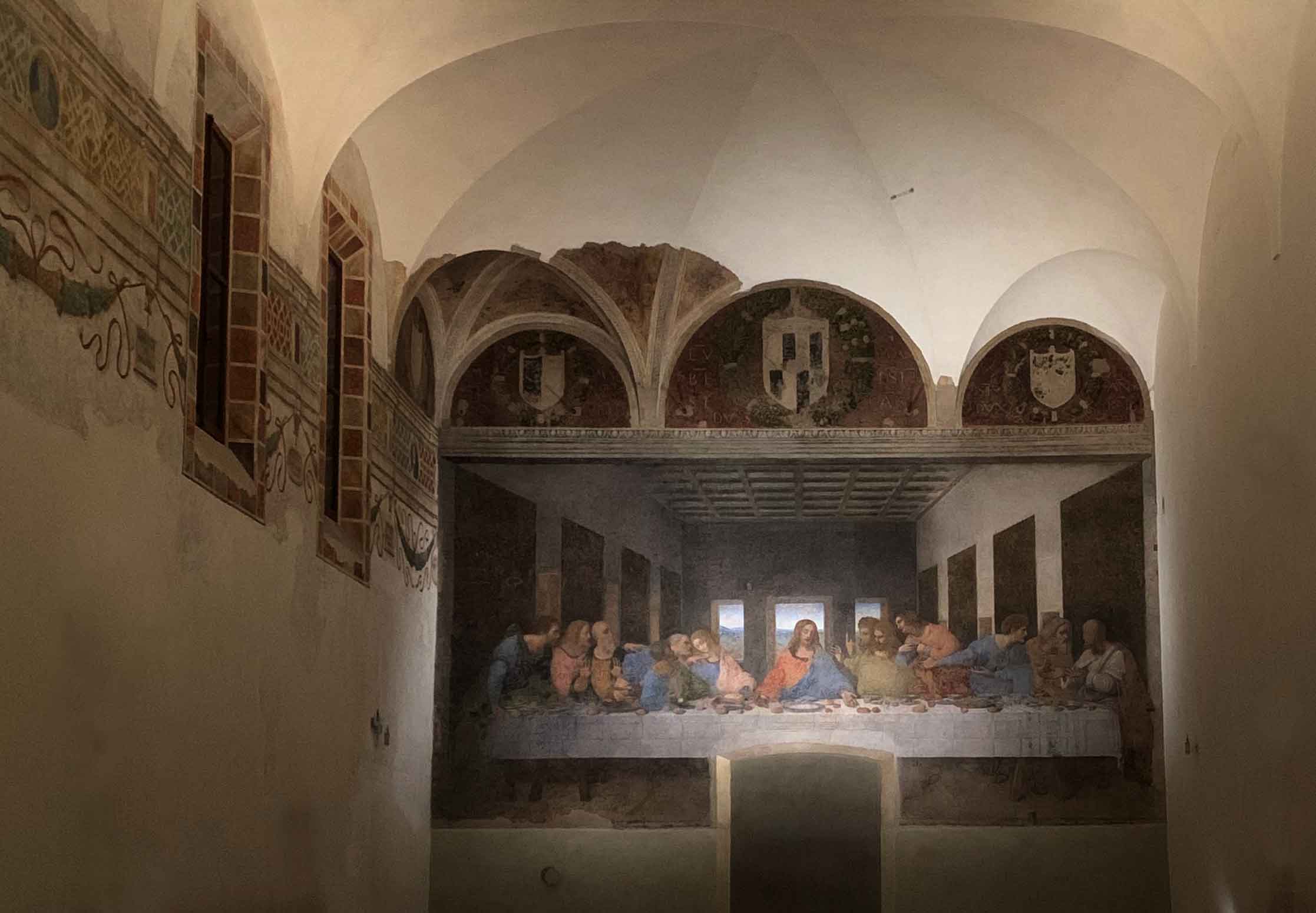
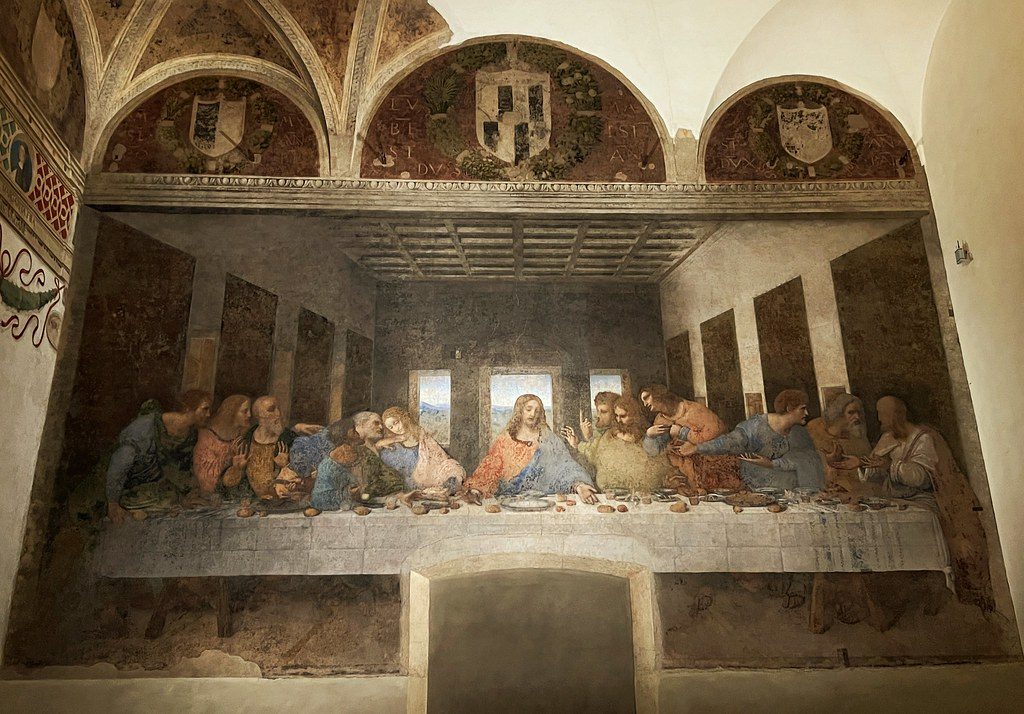
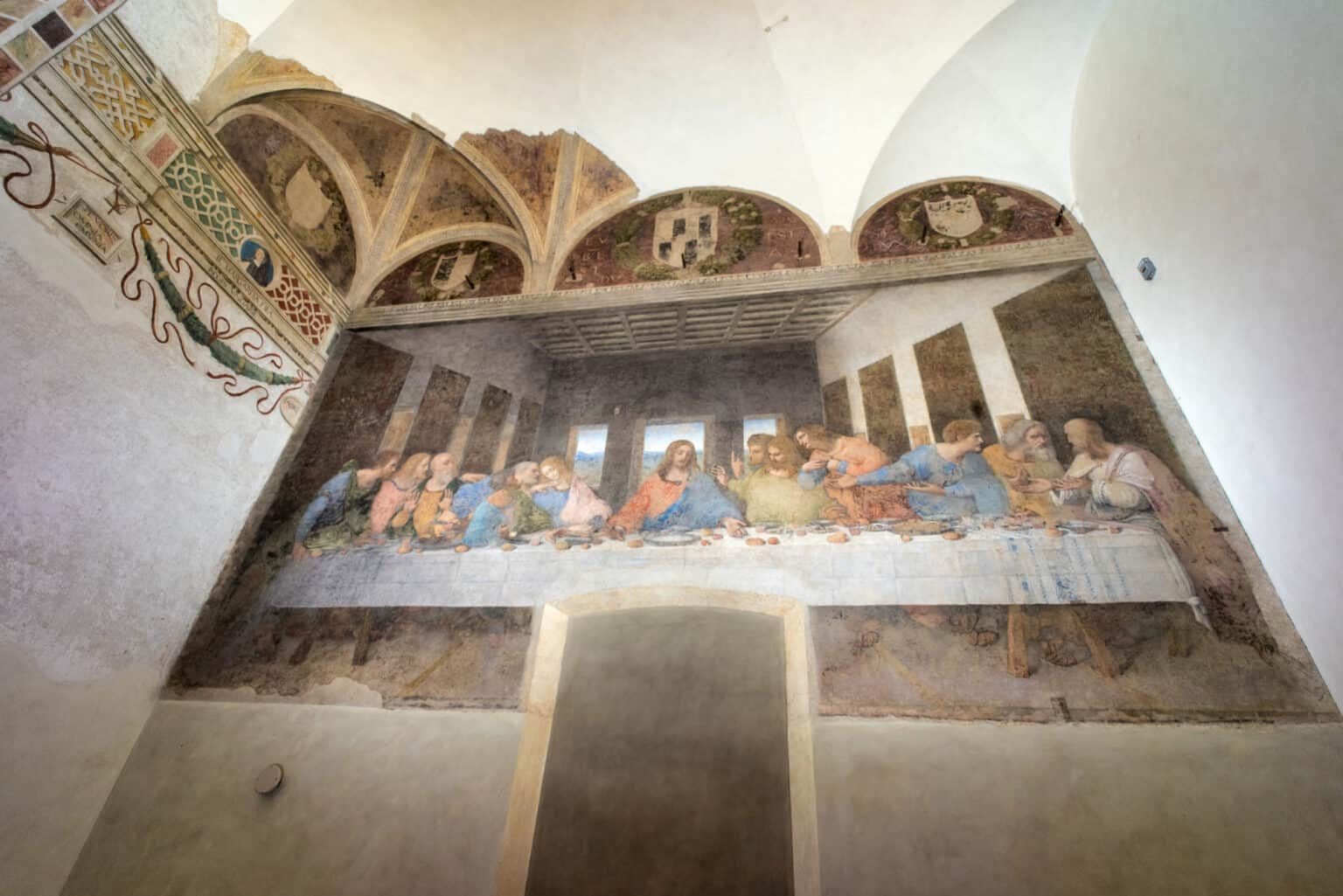
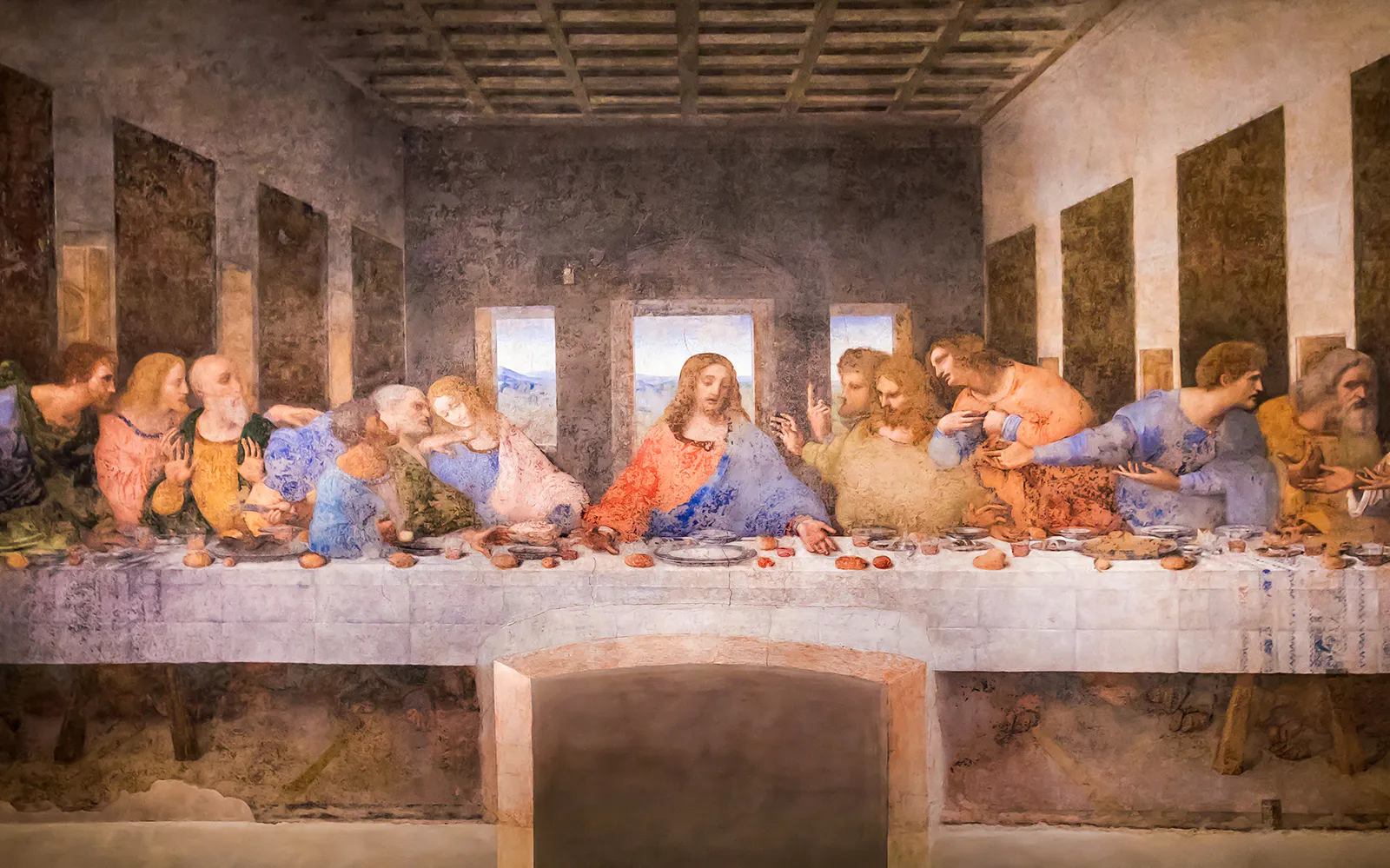
Leonardo da Vinci's 1494-1498 depiction of Christ's final meal covers the north wall of the refectory and was painted dry rather than in true fresco technique, a choice that has caused conservation challenges for over five centuries. Traces of gold and silver leaf found in the paint layer show Leonardo intended a far more luminous, detailed surface than survives today.
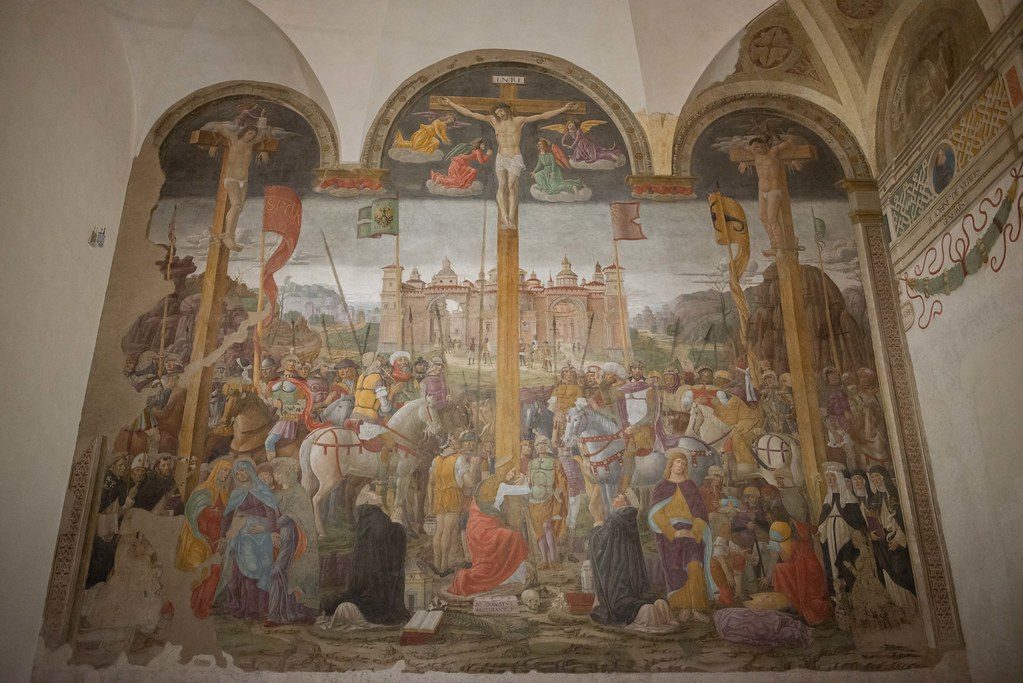
Facing Leonardo's masterpiece on the opposite wall is Giovanni Donato da Montorfano's 1495 fresco of the Crucifixion, often overlooked as visitors turn to view the Last Supper first. It is one of the few large-scale works by Montorfano to survive largely intact.
Built as the dining hall for Dominican friars of the adjoining convent, the long rectangular room was designed for communal meals, which is why Leonardo composed the scene at a scale matching the monks' actual dining tables. Its controlled climate system now regulates temperature and humidity for the fresco's preservation.
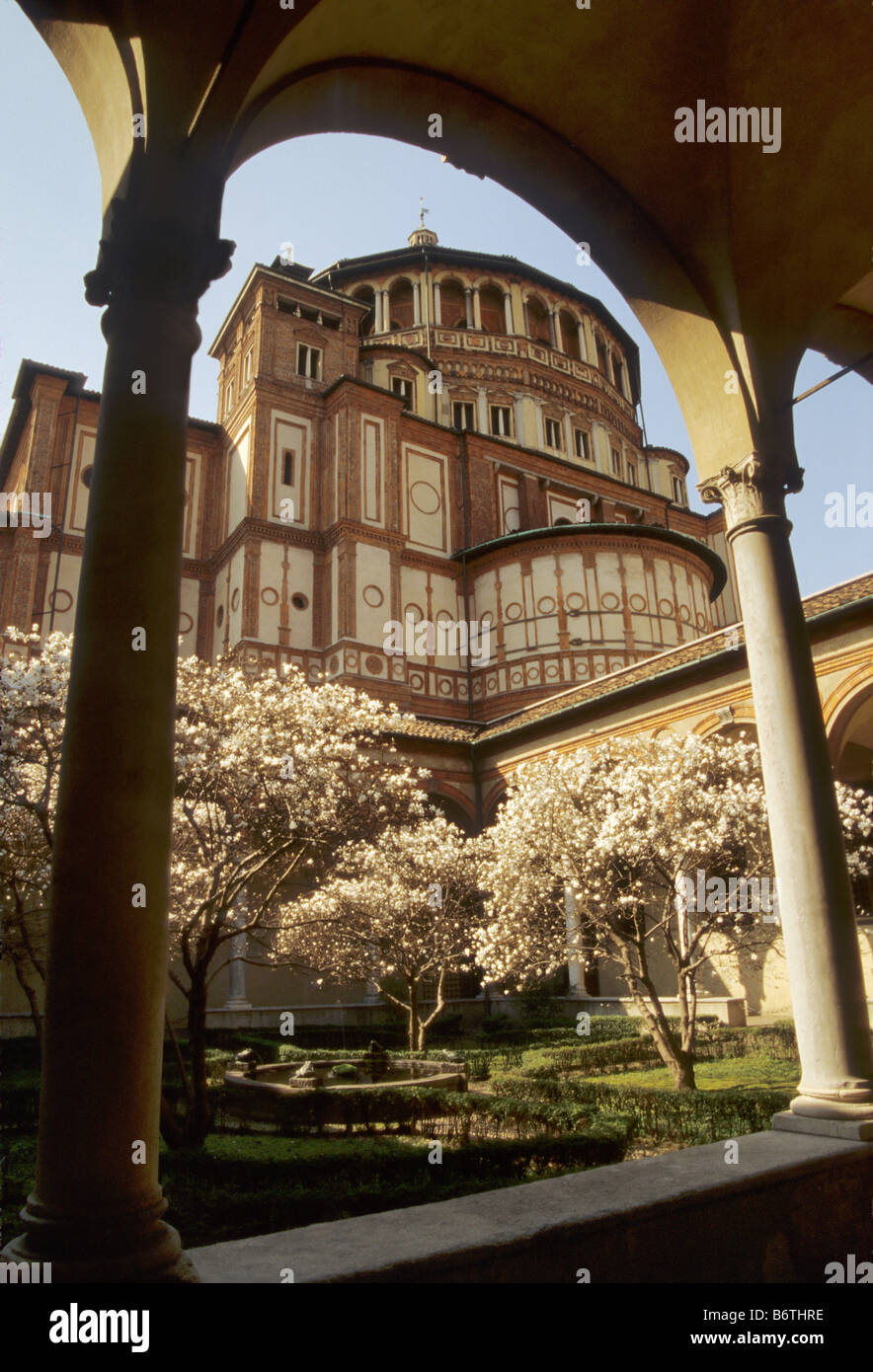
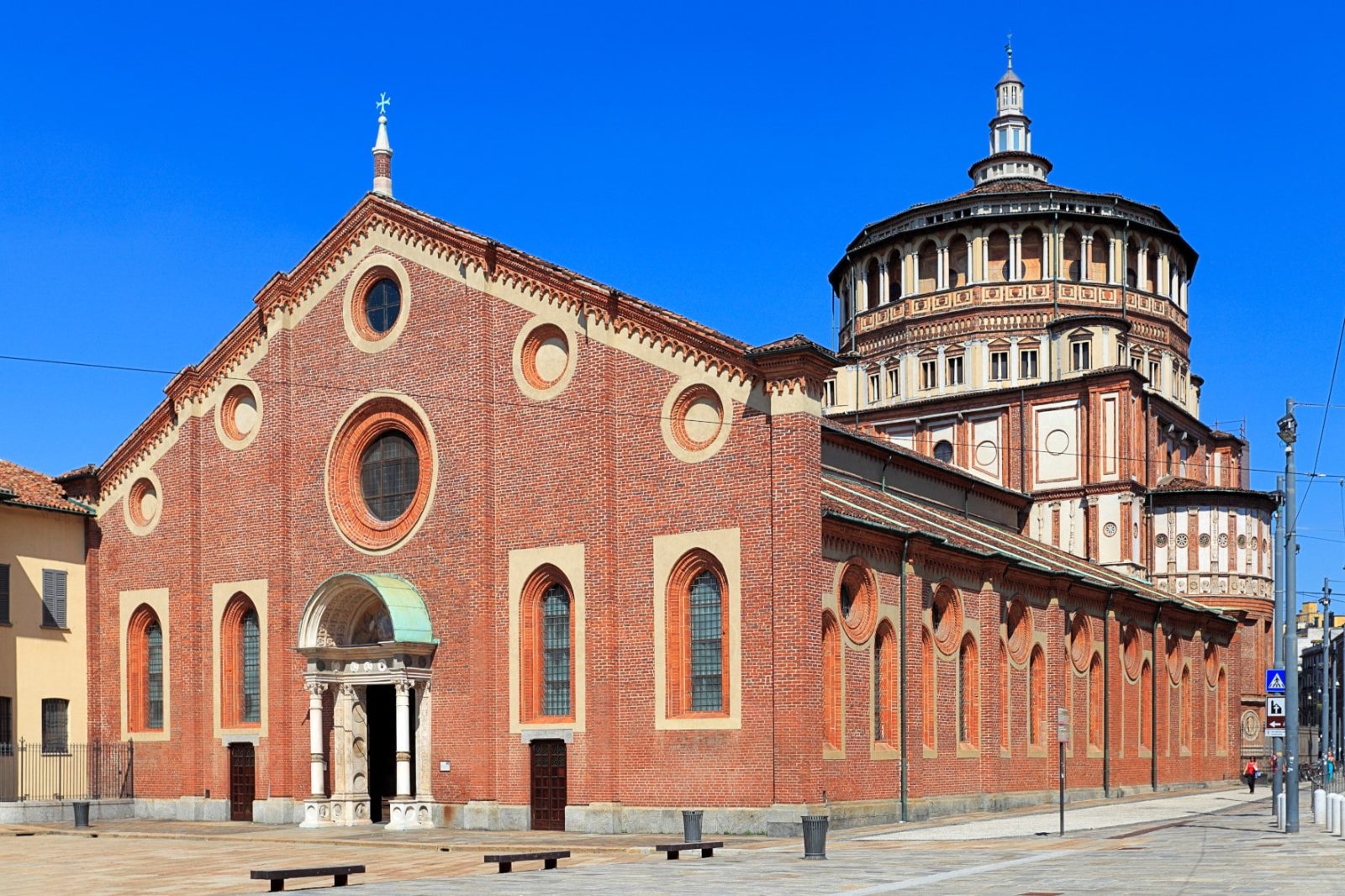
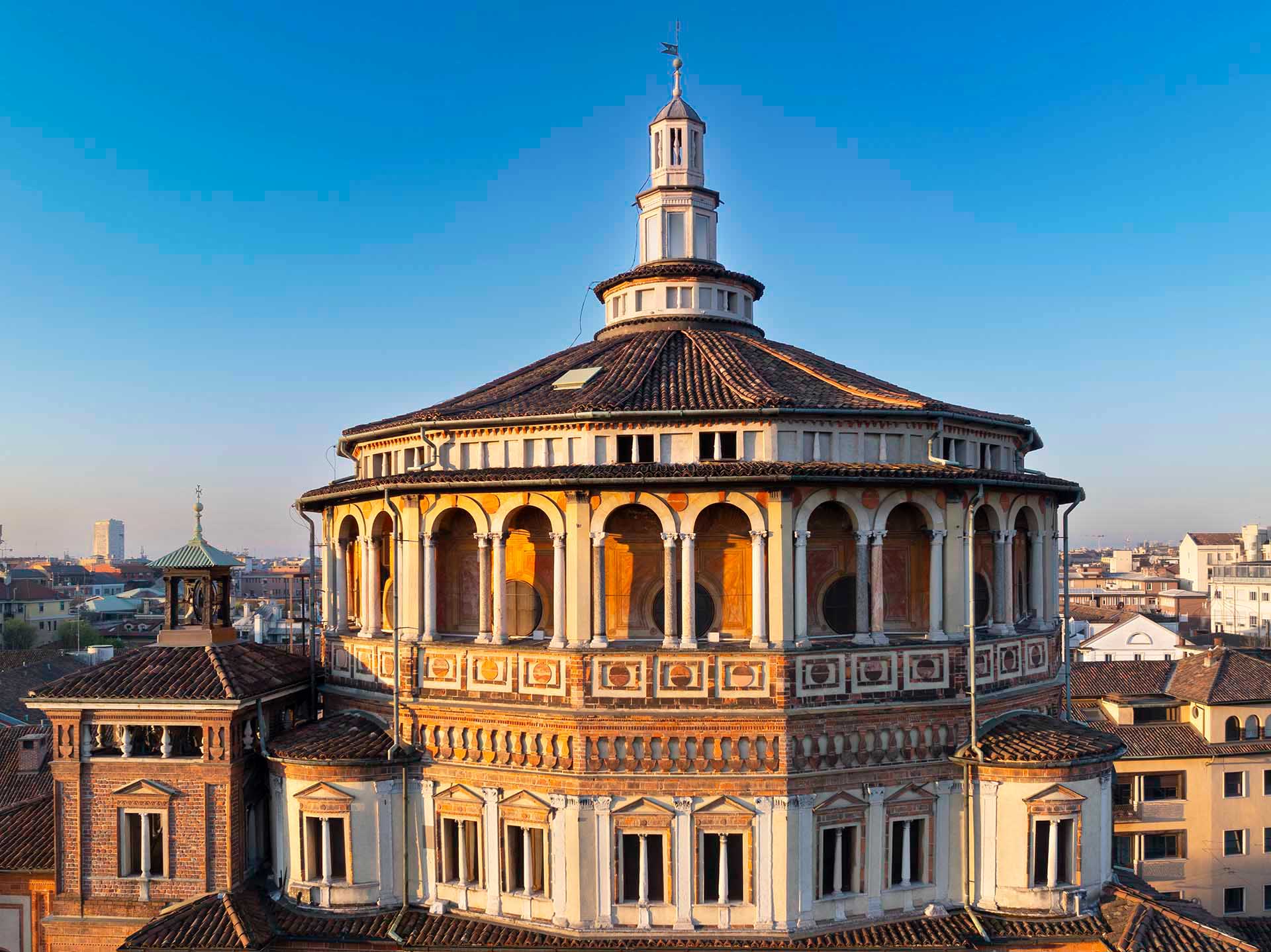
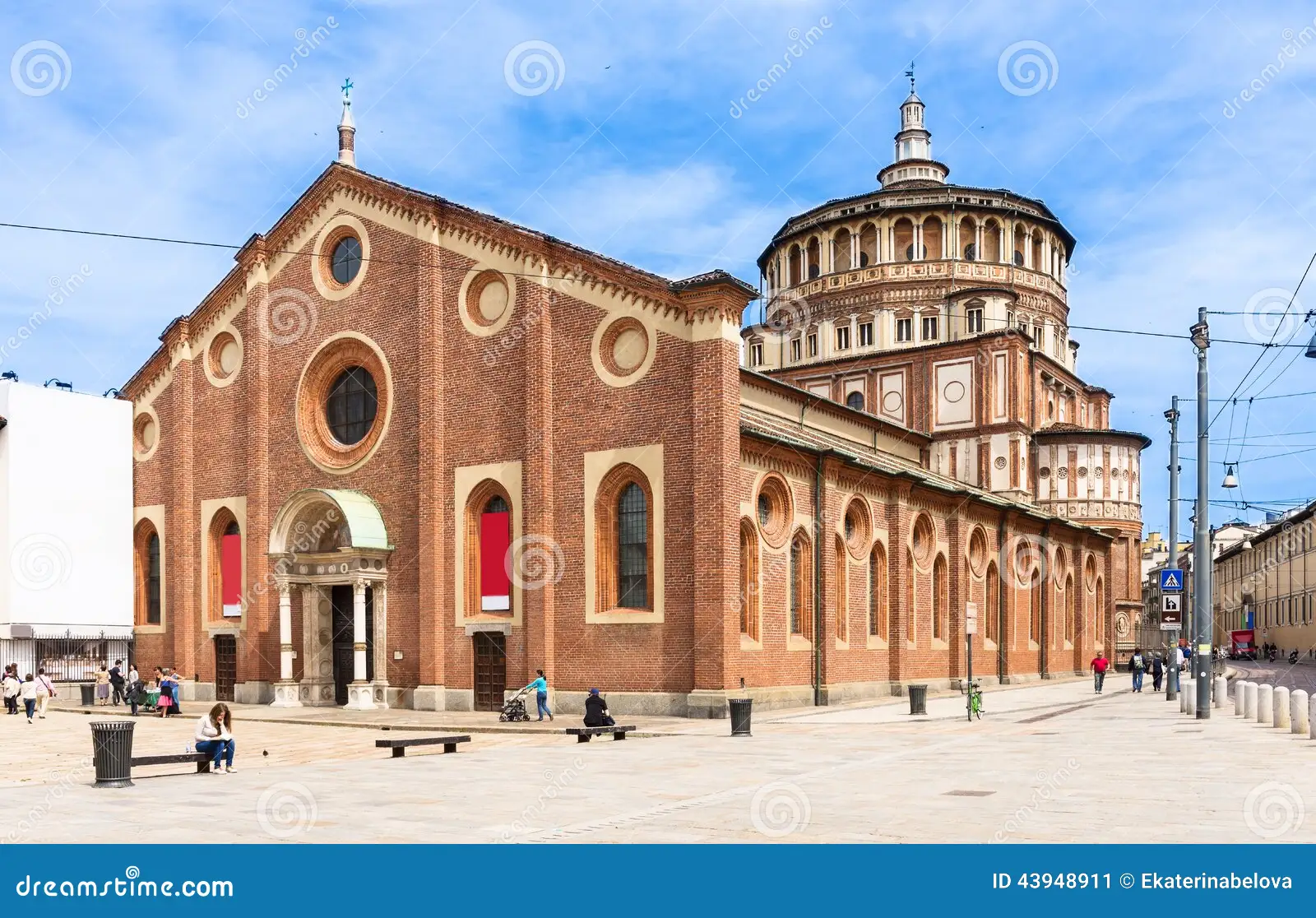
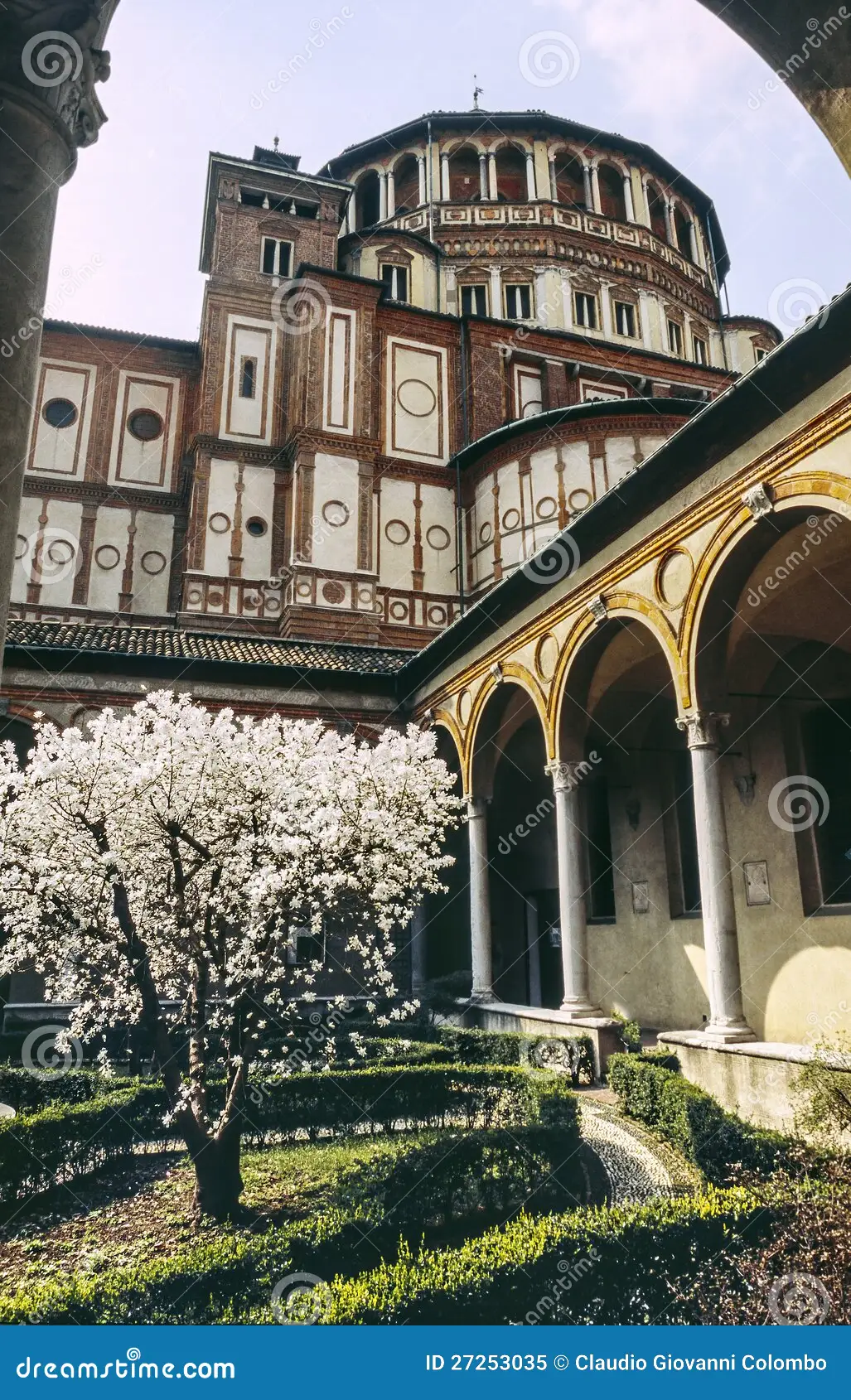
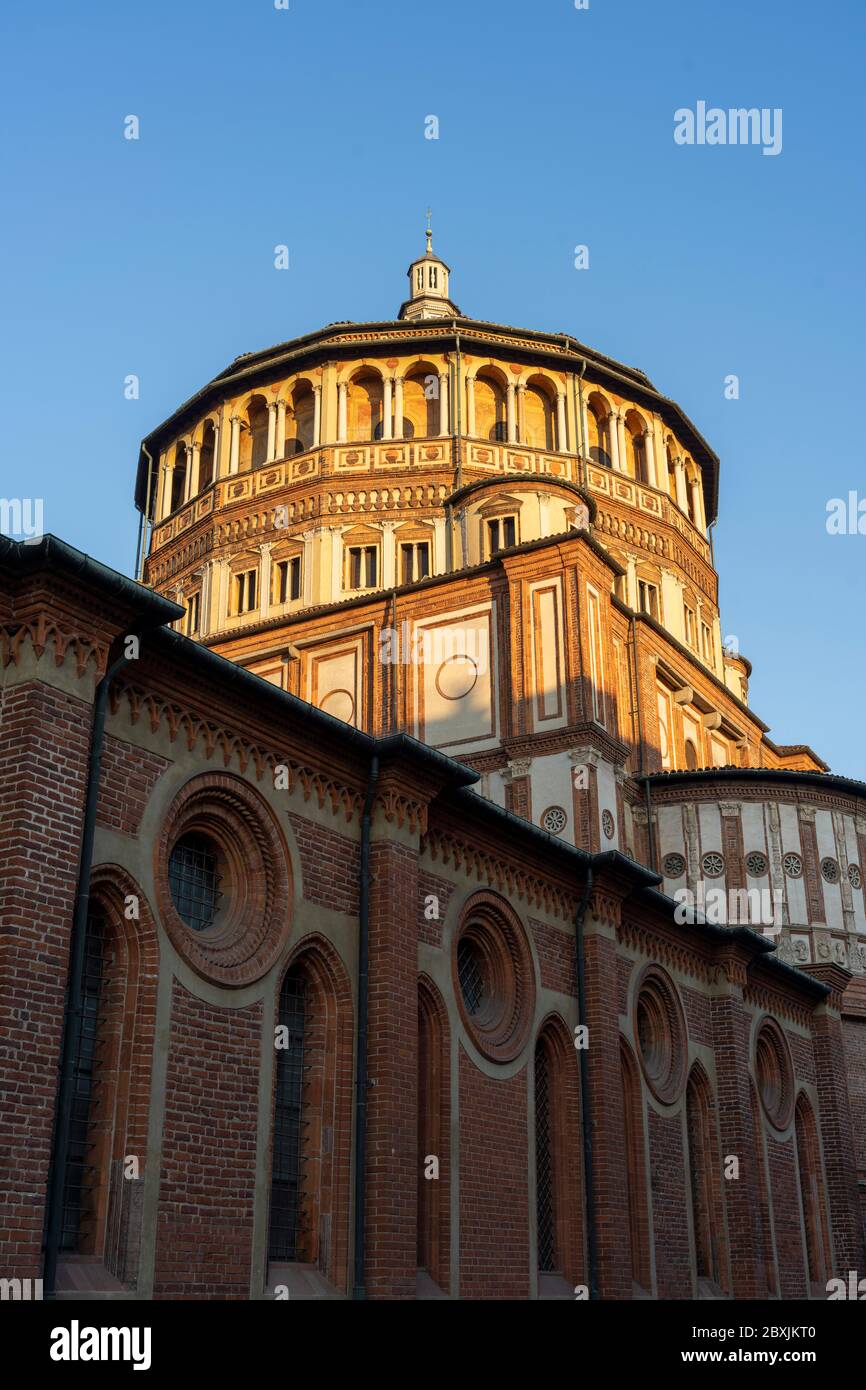
The Dominican church attached to the refectory was begun in Gothic style in 1463 and remodeled from 1492 in early Renaissance form by Donato Bramante, whose distinctive tribune and cloister remain intact. The complex was designated a UNESCO World Heritage Site in 1980 largely because of Leonardo's fresco within it.
The polygonal apse added by Bramante at the rear of the church replaced the original Gothic choir and is considered one of the clearest early expressions of Renaissance architectural harmony in Lombardy. Its terracotta-clad dome and geometric proportions influenced later Milanese church design.
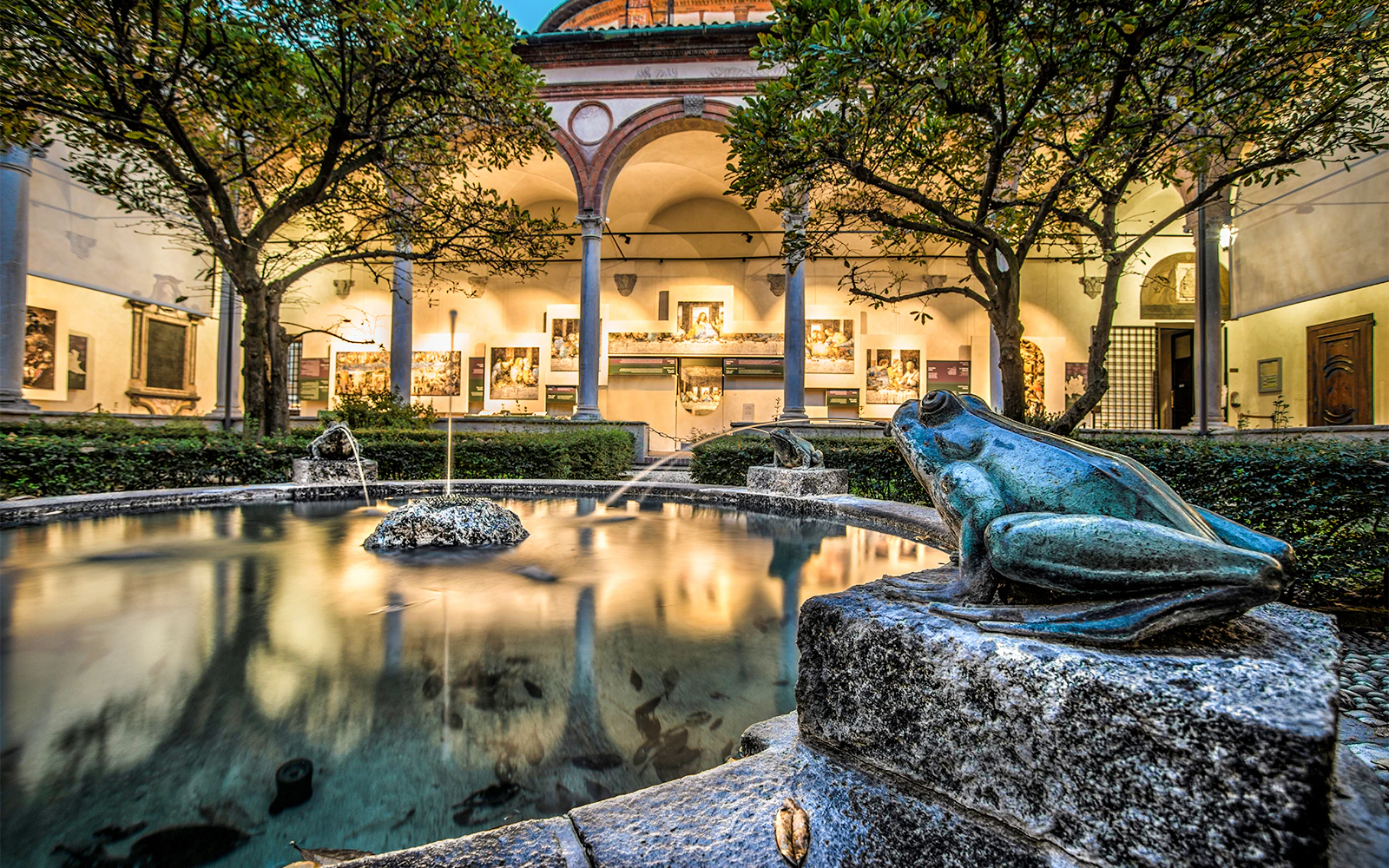
A quiet 15th-century cloister within the convent complex takes its name from carved frog motifs on its old fountain, offering a calmer space to pause after the timed refectory viewing. Entry to the cloister is free alongside the church.
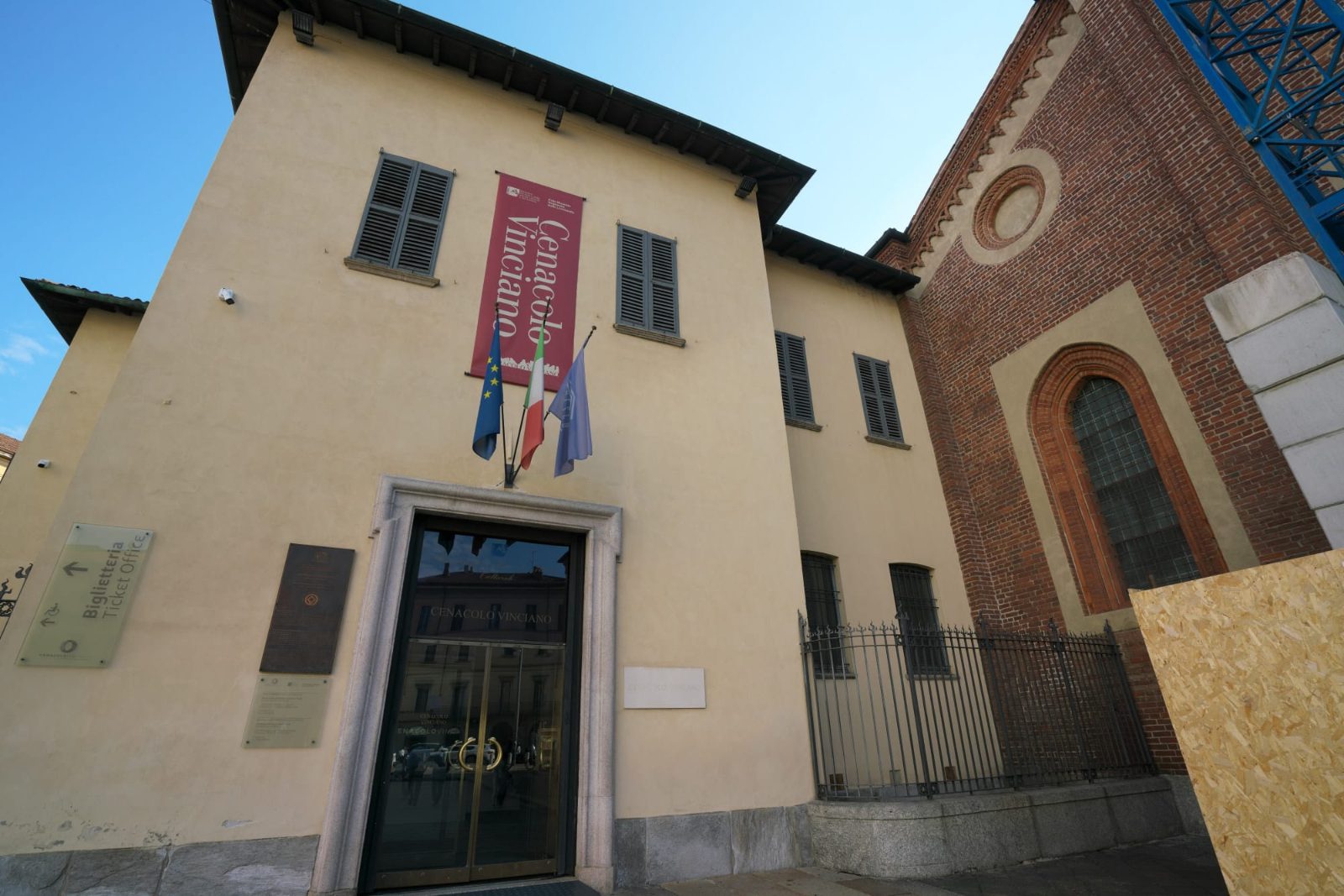
You arrive at Piazza di Santa Maria delle Grazie 2 well before your slot — the 08:15–10:00 window brings smaller crowds and cooler galleries — and find the ticket desk to the left of the church, not inside it. Staff check your name against a printed list.
Latecomers are not admitted, so you wait in the courtyard rather than wandering.
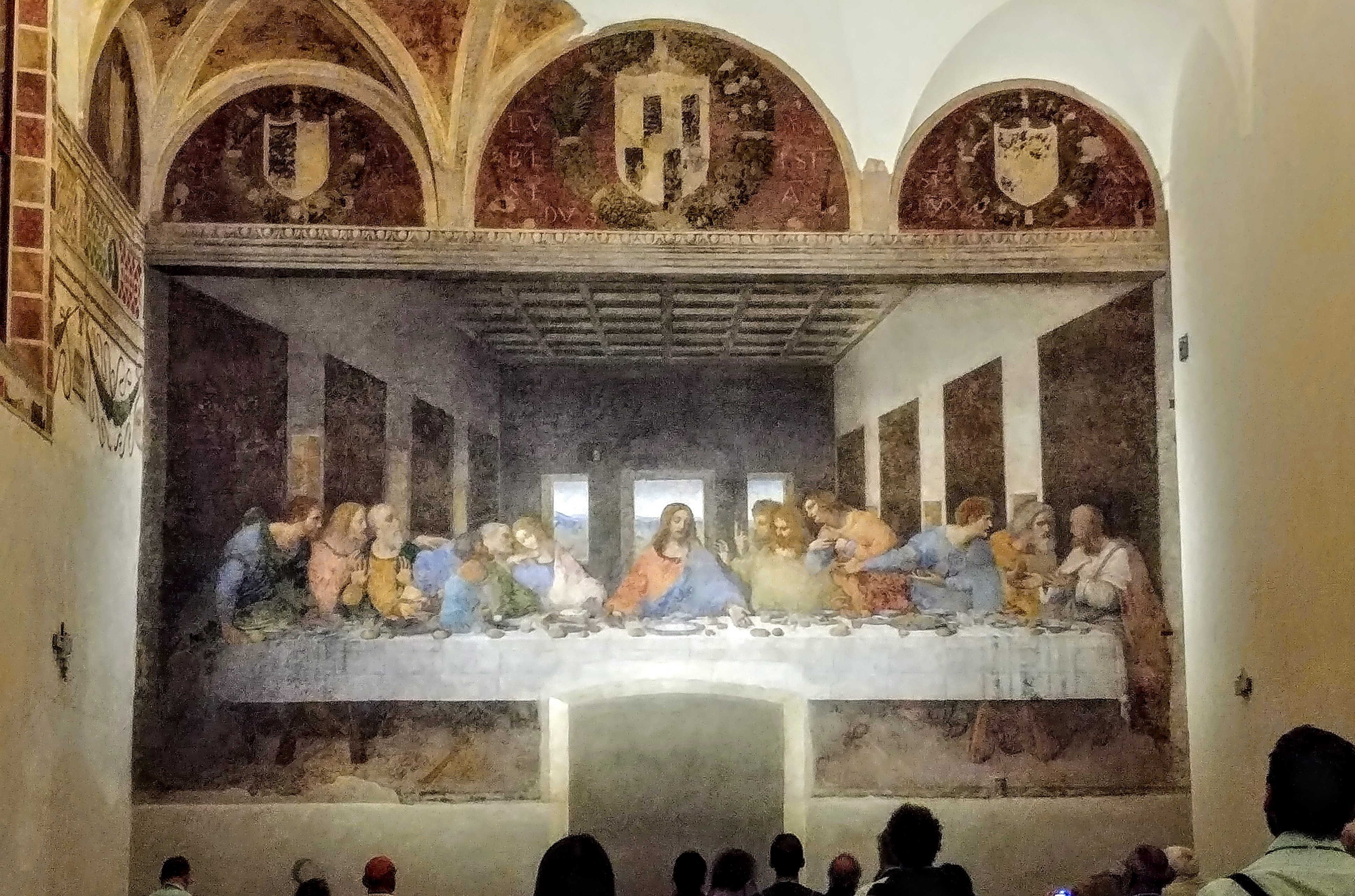
When your group is called, you pass through three sealed antechambers. Each door closes fully before the next opens; the air shifts, drier and stiller with every threshold. Then the refectory. It is larger than the reproductions suggest, and the mural sits high on the far wall, lit softly, its lower register visibly thinned where the 1652 doorway was cut through Christ's feet.
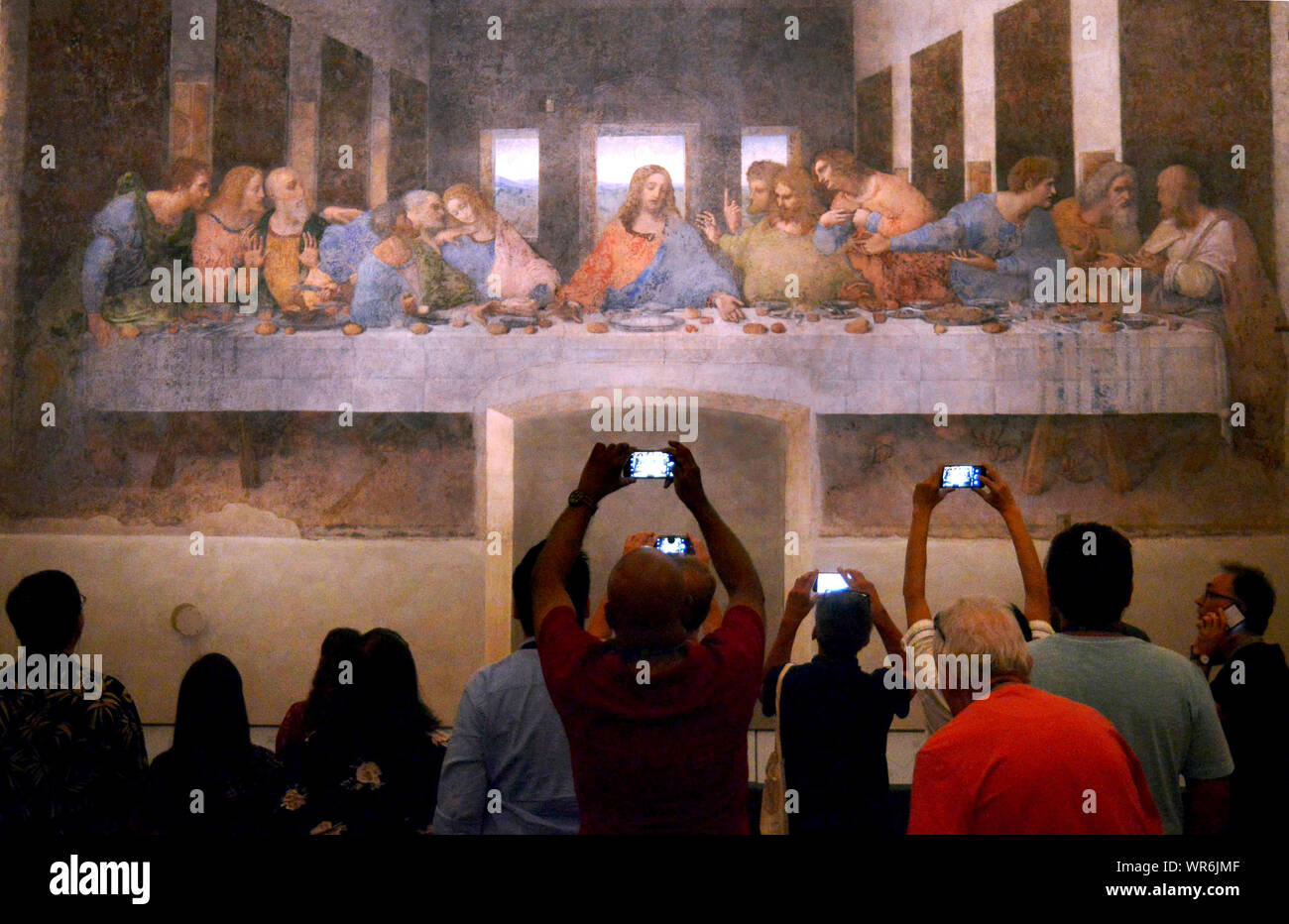
You have fifteen minutes. Most people spend the first three simply standing at the centre of the room, where Leonardo's perspective lines resolve. Move closer and the faces separate — Thomas raising one finger, Bartholomew half-risen at the end. Turn around at least once: the Montorfano Crucifixion behind you is nearly as large and almost empty of viewers.
A bell signals the exit. You leave through the gift corridor into daylight, and the church next door — Bramante's apse, the quiet cloister — is free to enter and takes another twenty minutes if you want them.
All the details about your upcoming adventure in one place
Leonardo da Vinci's Cenacolo Vinciano covers the north wall of the refectory at Santa Maria delle Grazie, a UNESCO World Heritage site in Milan's Magenta district. Last Supper Tickets are released in fixed timed slots because the climate-controlled vestibule admits only small groups, and the mural's fragile tempera surface makes this one of the most tightly managed Milan landmarks. Guided Last Supper Tickets tours pair the refectory with the Bramante-designed church next door, while a local biglietti Cenacolo Vinciano listing covers entry alone.
Leonardo da Vinci painted the Last Supper onto a dry wall, not wet plaster — a technical gamble that let him work slowly and revise, and which began flaking within twenty years of its completion in 1498.
Ludovico Sforza had commissioned it for the refectory of the Dominican convent at Santa Maria delle Grazie, where friars ate their meals beneath a painted table that appeared to extend their own. In 1943 an Allied bomb destroyed much of the surrounding building; sandbags and a protective structure spared the north wall while the roof came down around it.
What survives is therefore less a painting than a negotiation between pigment and time. The twenty-year restoration completed in 1999 stripped away centuries of overpainting and left roughly a fifth of Leonardo's original surface, the rest filled with muted watercolour so that gaps read as absence rather than invention. Visitors holding Last Supper Tickets enter through a sequence of climate-controlled chambers that regulate humidity and dust before the refectory doors open — a filtration ritual that explains why groups are capped and slots run in strict succession.
The composition itself remains the reason for the queue. Leonardo compressed the moment after Christ announces a betrayal, arranging the apostles into four groups of three, each reacting in a different register: Peter lunging, Judas recoiling with a purse in hand, Philip pressing palms to his chest. Orthogonal lines converge on Christ's right temple, pulling the room's real architecture into the painted one. Facing it across the hall is Giovanni Donato da Montorfano's Crucifixion of 1495, a competent fresco that has kept its colour far better and is, for that reason, almost always ignored.
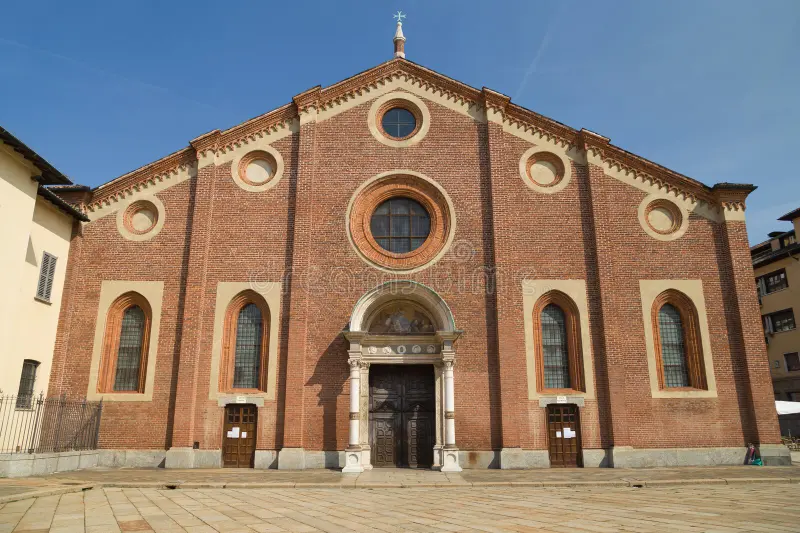
The convent and church were inscribed on the UNESCO World Heritage list in 1980, and the site now sits inside a residential quarter west of the Duomo, reachable on the M1 and M2 metro lines. Bramante's tribune and cloister next door reward a slower look — ribbed apse, terracotta detailing, a garden that predates the mural's fame. Milan landmarks tend to hide behind plain façades, and Santa Maria delle Grazie is the clearest case: an unremarkable brick front concealing one of the most closely monitored surfaces in Europe.
Demand has outstripped supply since timed entry was introduced, which is why most Cenacolo Vinciano visits are arranged through guided Last Supper Tickets tours rather than walk-up attempts. The official portal is cenacolovinciano.org, and standard admission including the mandatory reservation fee is 15 EUR per person. The refectory opens Tuesday through Sunday, 08:15–19:00, and closes Mondays.
What survives is less a painting than a negotiation between pigment and time.
There is no dress code for the refectory itself, since it is a museum space rather than an active liturgical area. If you plan to also step into the adjoining Church of Santa Maria delle Grazie, shoulders and knees should be covered, as it remains a working place of worship.
Visitors pass through a security checkpoint and several automatic sliding doors before reaching the refectory, and large bags, backpacks, or luggage are not permitted inside. Timed lockers of several sizes are available near the ticket office, but arriving with minimal bags speeds up entry through the 15-minute admission window.
Photography, filming, and flash are strictly prohibited inside the refectory housing the fresco, and staff actively enforce this during each viewing slot. The rule protects the fragile paint layer, which was applied dry rather than in true fresco technique and remains highly sensitive to light and humidity.
Children are welcome, and there is no minimum age to view the fresco, though the silent, timed nature of the 15-minute slot suits older children better than infants or toddlers who may need to move around. Strollers are generally left with bags at the entrance area rather than brought into the refectory itself.
The museum has a ramp and a manual double door at the main entrance, plus automatic sliding doors leading into the refectory, making step-free access possible for wheelchair users. Visitors with disabilities and one companion should mention accessibility needs when booking, since the ticket office counter and approach from Via Fratelli Ruffini involve a few steps that staff can help route around.
Food and drinks of any kind are not allowed inside the museum or the refectory housing the fresco. Any snacks or water bottles should be finished or stored in a locker before entering, as there is no re-entry once you exit the viewing space.
Refectory closed weekly
Occasional staff-meeting closures
Busiest weekday afternoons
Heaviest weekend crowds
Opening hours
Tue–Sun 08:15–19:00, closed Monday
Opening hours
08:15 – 19:00
Getting there
City-center access via metro and bus
Accessibility
Most experiences are wheelchair-friendly — check individual tours
What to bring
Comfortable shoes, water, phone for mobile voucher
Public transport · 10-20 min from city center · Single ATM ticket around 2.20 EUR
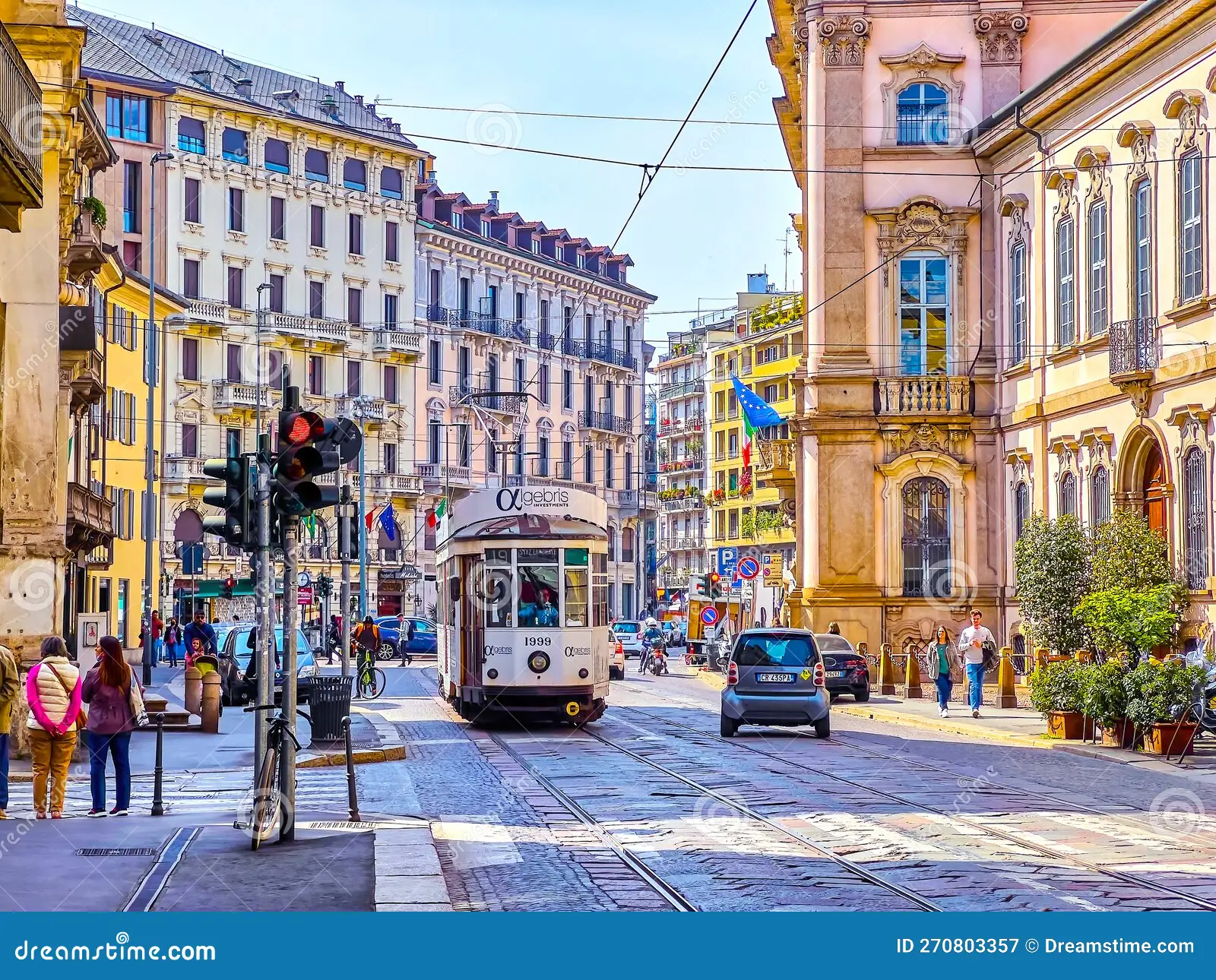
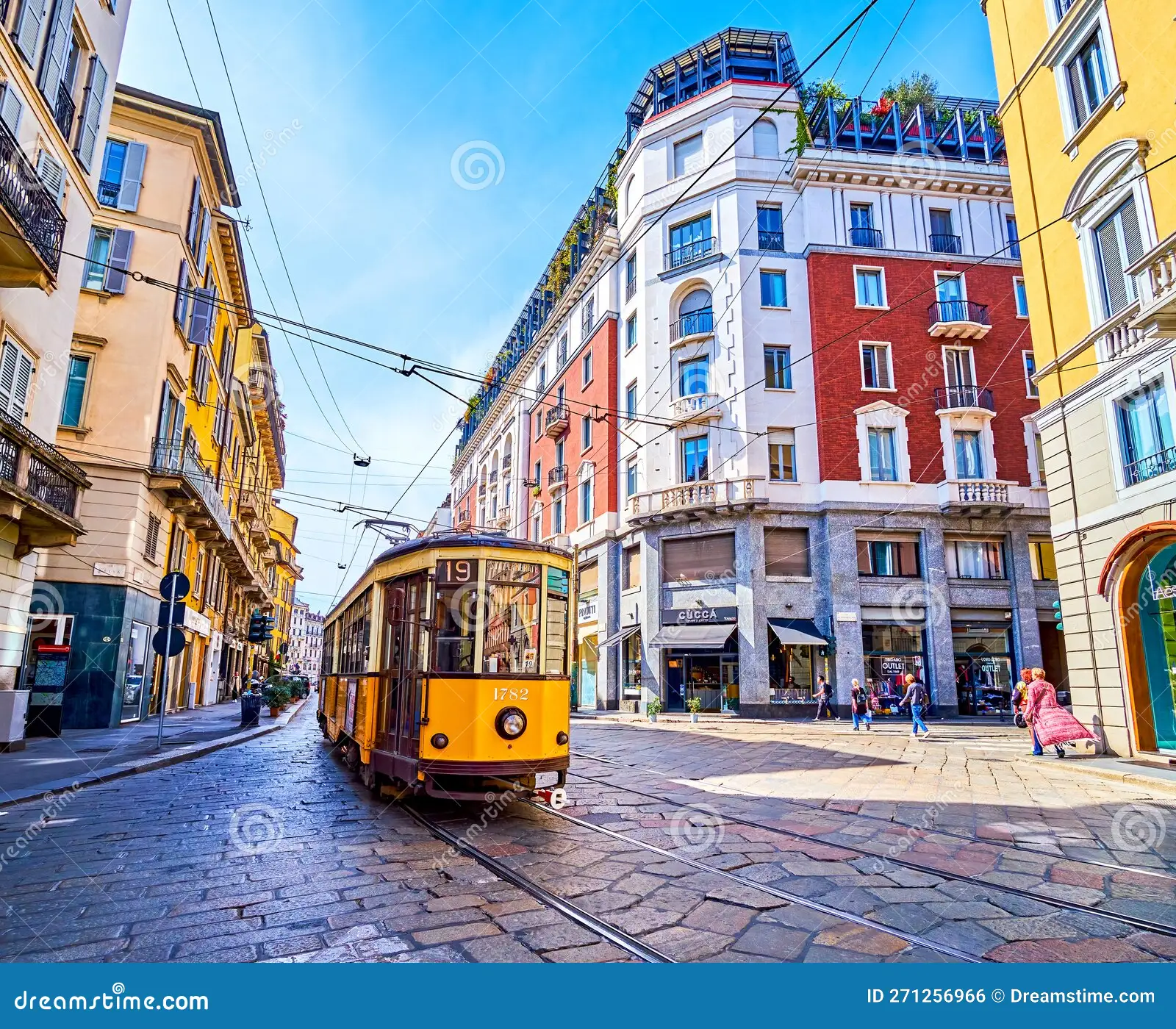
Take Metro Line 1 (red) to Cadorna or Conciliazione, or Line 2 (green) to Cadorna, then walk 5-10 minutes; Tram 16 stops directly at Santa Maria delle Grazie.
Walk · 20-25 min · Free
From the Duomo or Sforza Castle area, it is roughly a 20-25 minute walk west through Corso Magenta.
Taxi · 10-15 min from center · Metered fare, typically 10-15 EUR
Taxis can drop off at Via Fratelli Ruffini 1, directly opposite the ticket office.
Car · Varies with traffic · Area C fee plus parking
Driving is discouraged since the site sits inside Milan's Area C congestion zone; paid blue-line parking is available on Via Fratelli Ruffini.
Tickets for the Cenacolo Vinciano are non-refundable once booked, since each 15-minute viewing slot is capped and non-transferable. The mandatory reservation is part of the 15 EUR entrance fee, so cancellations do not typically qualify for a refund unless the museum itself cancels the slot.
Recommended time
45-60 minutes
Book Last Supper Tickets for a specific quarter-hour: the actual viewing window inside the refectory is fixed at 15 minutes, but the full visit runs closer to 45-60 minutes once you add the mandatory 30-minute early arrival for ID checks, ticket validation, and passing through the climate-controlled access doors. Add extra time if you're combining the visit with the adjoining Santa Maria delle Grazie church, and subtract nothing — latecomers simply forfeit the slot, with no rescheduling. First release slots at 08:15 move through security fastest since fewer groups have stacked up yet, while afternoon entries often mean a longer holding wait even though the in-room time never changes.
Crowd levels through the day
Weather · crowds · average price — dots go green to amber to red as each metric rises.
Mild 12-20°C weather draws steady crowds around Easter week. Weekday mornings in April still offer manageable waits for Last Supper Tickets before peak summer arrives.
Milan gets hot, often 28-33°C, and July-August is the highest demand period for Last Supper Tickets tours, with slots selling out weeks ahead. Early morning visits stay noticeably cooler inside the climate-controlled refectory.
September and October bring fewer tourists and comfortable 15-22°C days, making it one of the better windows for a quieter Last Supper Tickets tour. Milan Fashion Week in late September can tighten hotel availability nearby.
Cold, often below 5°C, with the lightest crowds of the year outside the Christmas week closures on Dec 25 and Jan 1. Foggy Milan mornings pair well with an 08:15 opening slot and near-empty galleries.
Last Supper Tickets for July and August routinely sell out a month or more in advance, so reserve as soon as your travel dates are fixed.
Every visitor must show identification at the ticket office when activating a reservation, matching the name on the booking.
Traveling with just a small crossbody bag avoids locker queues, since suitcases and large backpacks are not allowed past security.
The museum occasionally closes mid-afternoon for short staff meetings announced on its official site, so check current notices before finalizing plans.
New quarterly admission windows go on sale on set Wednesdays, and free-entry days are released the preceding Wednesday at noon Rome time.
Larger parties should contact the museum directly by email with names and preferred dates rather than booking online.
Since the adjoining church and cloister require no ticket, visiting them right after your timed slot adds context at no extra cost.
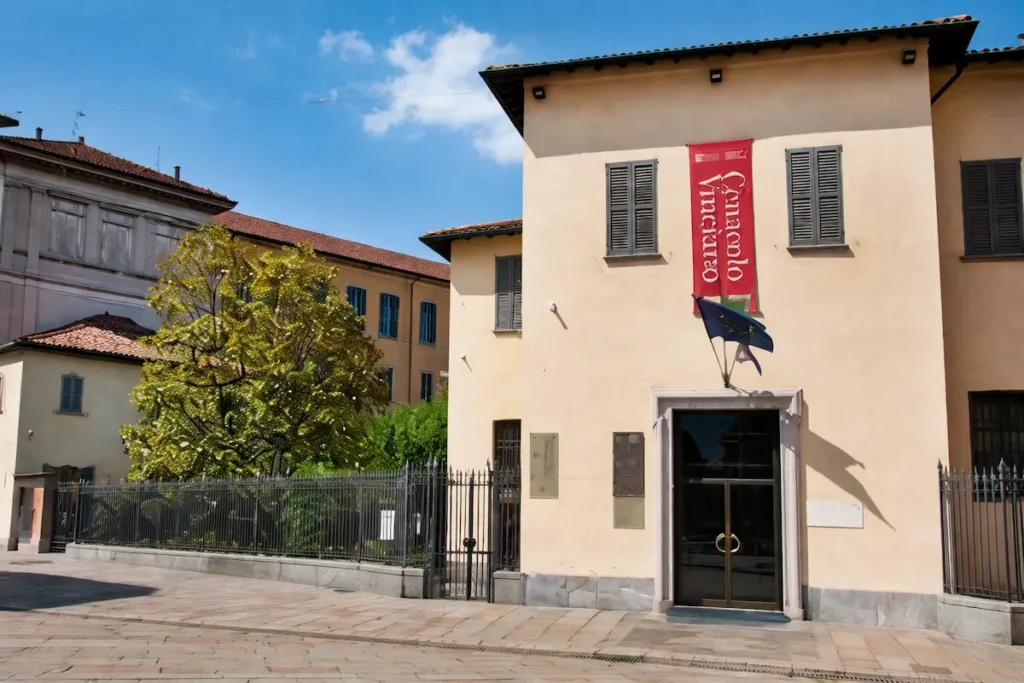
Piazza di Santa Maria delle Grazie 2, 20123 Milan
Located a few meters left of the main entrance; activate tickets here
Get directionsVia Fratelli Ruffini, Milan
Alternate access point near paid parking and disabled parking
Get directionsLudovico Sforza commissioned the mural around 1495. Leonardo da Vinci painted it on the north wall of the refectory at Santa Maria delle Grazie, the Dominican convent at Piazza di Santa Maria delle Grazie 2, 20123 Milan, Italy. He finished in 1498. The subject was the moment Christ announces his betrayal. Visitors who book Last Supper Tickets today stand before a work that was technically doomed from the first brushstroke. Fresco demanded speed. Leonardo refused it. He worked in tempera and oil on dry plaster, sealed with a ground of gesso and pitch, so he could revise, layer, and return over months. The refectory wall held damp. By 1517 the paint was flaking. Antonio de Beatis recorded the decay that year. Giorgio Vasari, visiting in 1556, called it a ruined blur. Repainting campaigns began in 1726 under Michelangelo Bellotti and continued through the nineteenth century, each one burying more of the original. In 1652 the friars cut a doorway through the wall, destroying Christ's feet. Napoleonic troops used the room as a stable in 1796. Guides leading a Milan Cenacolo tour still point to that scar below the central figure. The night of 15 August 1943, Allied bombing collapsed the refectory roof and its east wall. Sandbags and a scaffold shield left Leonardo's surface exposed to weather for months, yet standing. Restoration under Pinin Brambilla Barcilon ran from 1978 to 1999, stripping centuries of overpaint back to surviving original pigment and fixing what remained. That work produced the climate-controlled vestibules and timed fifteen-minute entries that govern Last Supper Tickets tours now, with only small groups admitted at once. The convent complex, listed by UNESCO in 1980, remains active. Bramante's tribune and cloister survive alongside the refectory, and the site sits among the essential Milan landmarks. Skip-the-line Cenacolo Vinciano access is the only practical route in, since capacity is fixed by conservation rather than demand. Anyone holding Last Supper Tickets tickets is, in effect, joining a rota designed to keep a fragile surface alive; a Last Supper Tickets tour is a conservation appointment as much as a viewing. Standard admission plus mandatory reservation is 15 EUR per person.
Leonardo da Vinci paints the mural for Ludovico Sforza in the refectory of Santa Maria delle Grazie.
Antonio de Beatis records that the paint is already flaking from the damp wall.
Friars cut a doorway through the lower wall, destroying the depiction of Christ's feet.
Michelangelo Bellotti begins the first of several heavy repainting campaigns.
Napoleonic troops occupy the convent and use the refectory as a stable.
Allied bombing on 15 August destroys the refectory roof, though the protected north wall survives.
Pinin Brambilla Barcilon strips centuries of overpaint in a twenty-one-year restoration.
UNESCO inscribes the church and refectory complex on the World Heritage list.
There is no cafe inside the ticket office itself, so most people booking Last Supper Tickets plan a stop along Corso Magenta, the street running right past Piazza di Santa Maria delle Grazie, either before their entry slot or after.
Locals and ticket holders duck in here for espresso, pastries, or a light panino before their slot; it gets busy in the 08:15-10:00 arrival window, so grab a table on the sidewalk if the counter is packed.
A wine-and-salumi institution on Via Carducci with a tasting-style menu of cured hams, cheeses, and fresh pasta; better suited to a relaxed lunch or dinner than a quick bite between Last Supper Tickets tours.
Right on Corso Magenta near Piazzale Baracca, known for Florentine steak grilled over charcoal and saffron risotto; popular for dinner, so reserve ahead if visiting after an evening slot.
Several bars along Corso Magenta serve the classic Milanese aperitivo, a pre-dinner drink with snacks, making it an easy way to unwind after a skip-the-line Last Supper Tickets tour without wandering far from Piazza di Santa Maria delle Grazie.
Real experiences from real travelers
We booked Last Supper Tickets about two months ahead and I am glad we did, because nothing was left for our week. The refectory is cooler than the street outside and almost silent, so you hear the hum of the climate system more than any voices. Standing back from the wall, the depth Leonardo built into that room is the thing photos never manage
Vivo a Torino e vengo a Milano spesso, ma il Cenacolo Vinciano resta la cosa che rimando sempre. La luce entra alta dalle finestre laterali e il verde-azzurro dei manti si legge molto meglio di quanto pensassi. Consiglio di guardare anche la Crocifissione del Montorfano sulla parete opposta, quasi tutti le danno le spalle
Our small group Milan Last Supper tour included the basilica next door, and the guide explained the dining-hall context before we entered. The mural is fainter than reproductions suggest, which somehow made it feel more real. Bramante's apse in the afternoon sun was an unexpected bonus
Reservamos las entradas al Cenacolo con bastante antelación y el sistema de turnos funciona con precisión suiza. La única pega es que el tiempo pasa rapidísimo y te quedas con ganas. Aun así, ver la perspectiva de Leonardo desde el centro de la sala merece la espera
February in Milan was grey and damp, which made the refectory feel like a shelter. You pass through two glass chambers before entering and the change in air is noticeable. The apostles' gestures ripple outward from the centre in a way that only makes sense standing in that room
Skip-the-line Last Supper entry saved us from the confusion outside, where several people without a slot were being turned away. Our reserved time was late morning and the group ahead of us cleared out promptly. The cloister next door is free to wander and was empty when we passed through
Le réfectoire de Santa Maria delle Grazie est plus petit que je ne l'imaginais, et la fresque porte visiblement les traces des restaurations. La lumière de novembre entrait doucement par les fenêtres hautes. Le contraste avec la brique chaude de l'extérieur au coucher du soleil était saisissant
Slots for Last Supper Tickets tours vanish the moment they open, so set a reminder rather than hoping. September afternoon heat made the cool refectory a relief. The perspective lines converging on Christ's head are the detail I keep thinking about
O ingresso da Última Ceia dá apenas alguns minutos na sala, e o grupo anterior ainda estava saindo quando entramos. Mesmo assim, ver a obra na parede original do refeitório é diferente de qualquer reprodução. Vale combinar com uma caminhada pelo Corso Magenta ao entardecer
A Last Supper Tickets tour with a guide meant we knew what to look for in the fifteen minutes, particularly the damaged lower section where a doorway was cut through centuries ago. Spring light in the cloister afterwards was soft and warm. My Last Supper Tickets tickets arrived by email instantly, which removed the last bit of anxiety
Everything you need to know for your journey
The Cenacolo Vinciano is open Tuesday through Sunday from 08:15 to 19:00 and closed every Monday.
Standard admission plus the mandatory reservation fee for Last Supper Tickets costs 15 EUR per person.
Yes, the entrance has a ramp and automatic sliding doors, and visitors with disabilities and a companion should flag accessibility needs when booking.
Bulky bags, backpacks, and luggage are not permitted inside; timed lockers of several sizes are available near the ticket office for storage during your visit.
No, photography and filming are strictly prohibited inside the refectory to protect Leonardo's fragile fresco.
Arriving between 08:15 and 10:00, right after opening, gives you smaller crowds and cooler galleries compared with midday and weekend afternoons.
There is no dress code for the refectory itself, though shoulders and knees should be covered if you also enter the adjoining Church of Santa Maria delle Grazie.
No, food and drinks are prohibited throughout the museum, including the refectory.
Metro Line 1 to Cadorna or Conciliazione, or Line 2 to Cadorna, are the closest stops, with Tram 16 stopping directly outside at Santa Maria delle Grazie.
Yes, children of any age can visit, though the strict 15-minute silent viewing slot suits school-age children better than very young toddlers.
Reservations for the Cenacolo Vinciano are generally non-refundable once confirmed, since each timed slot is capped and non-transferable.
The Church of Santa Maria delle Grazie next door is free to enter, and Sforza Castle and Corso Magenta are both within a 15-minute walk for combining with your Last Supper Tickets tour.
The Renaissance church attached to the refectory, rebuilt from 1492 by Bramante, with free entry to its nave and cloister.
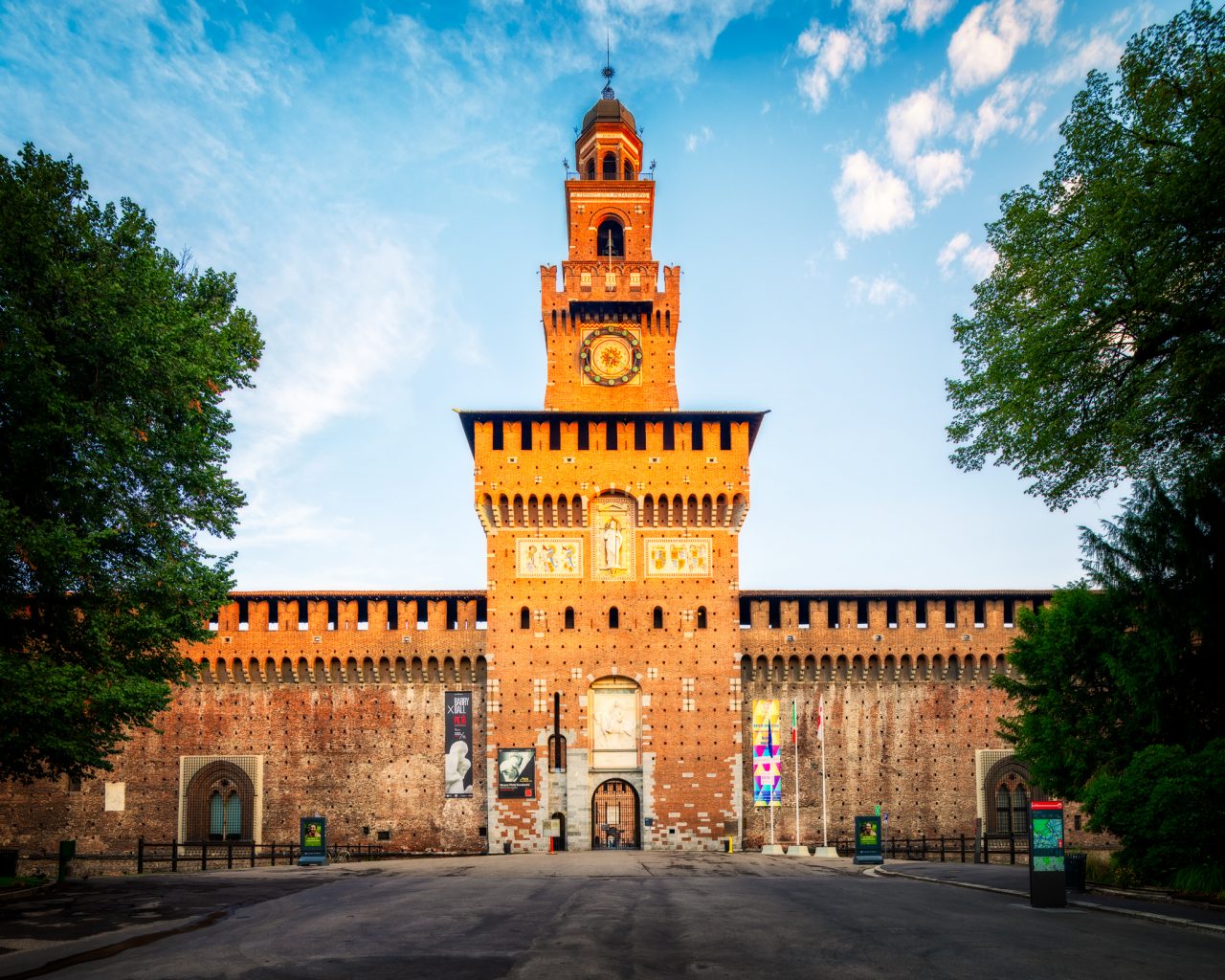
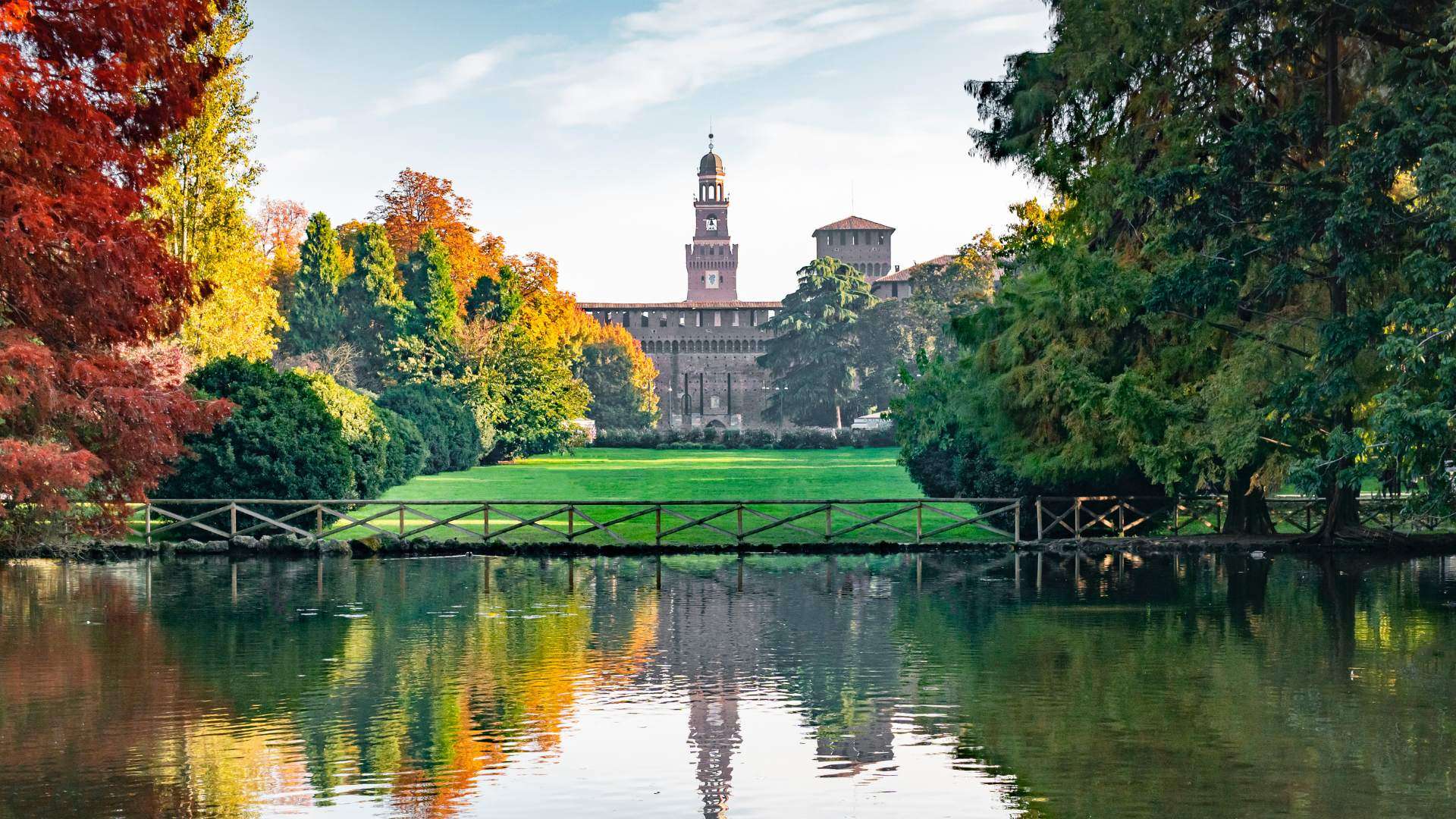
A 15th-century fortress of the Sforza dukes now housing several city museums and a large public park.
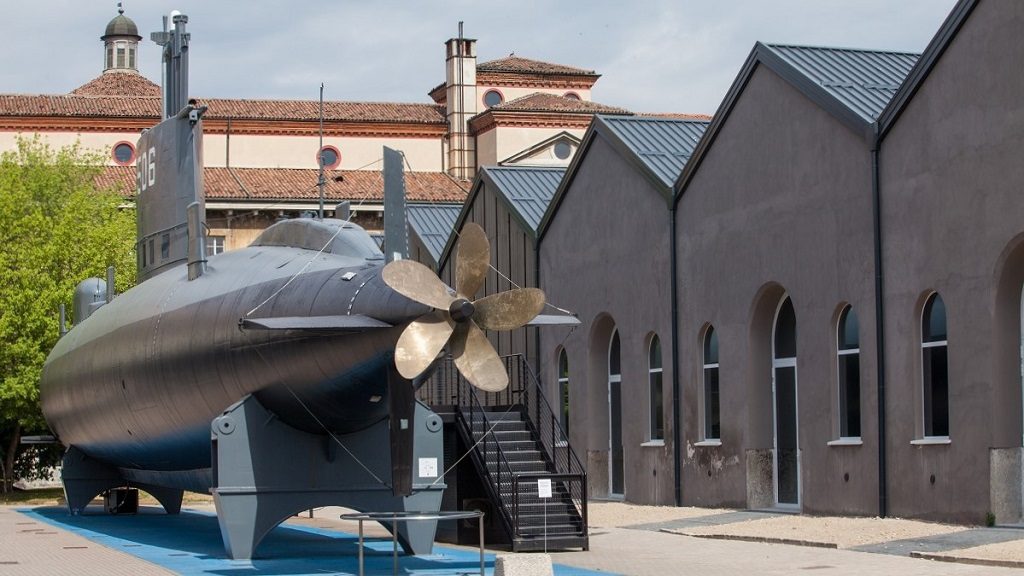
Italy's largest science and technology museum, housed in a former Olivetan monastery near the Cenacolo.
A historic pedestrian-friendly street lined with period palazzi connecting the refectory to the city center.
A large landscaped park behind Sforza Castle with the Arco della Pace at its far end.
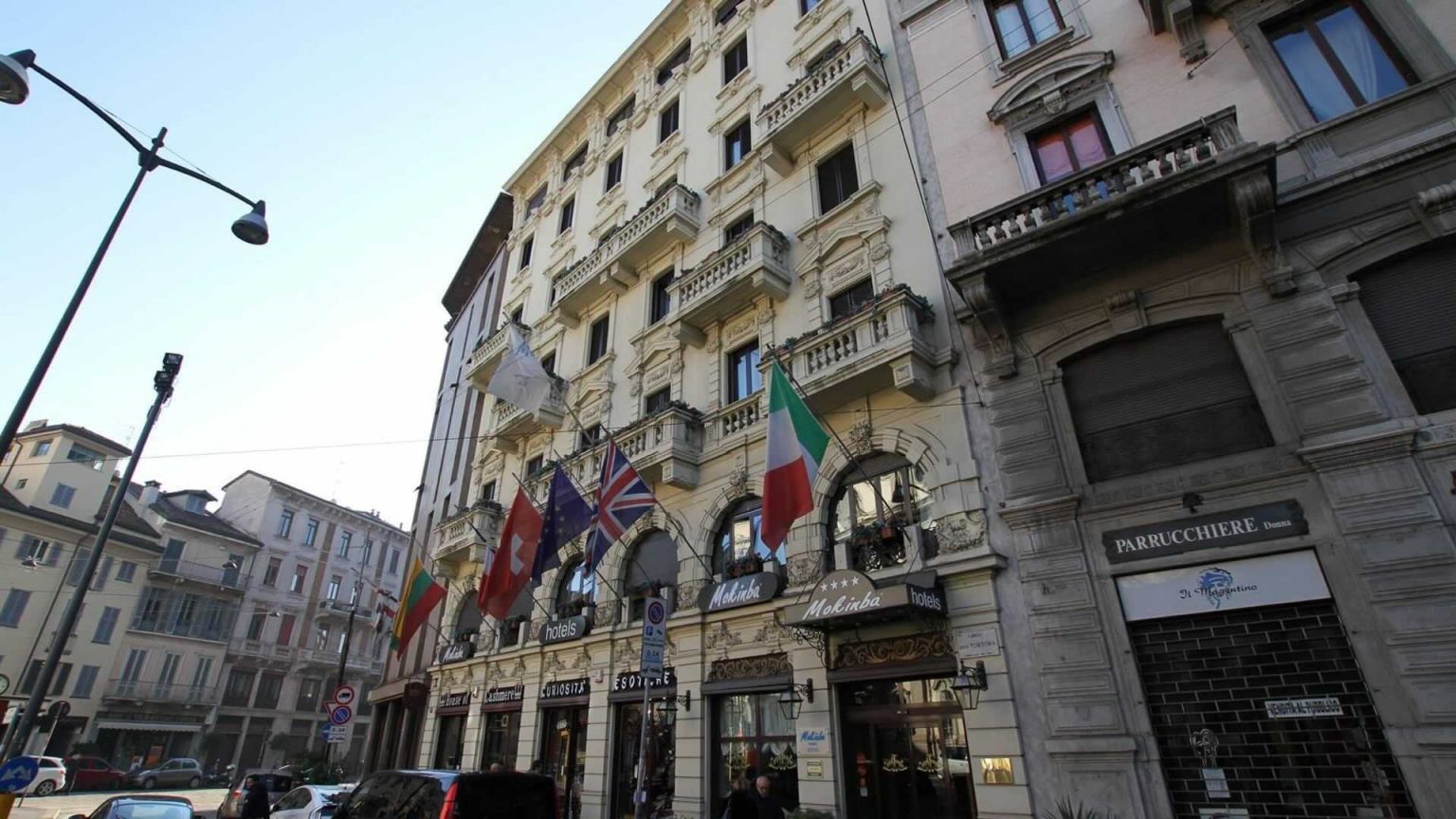
A quiet residential area around Corso Magenta with several mid-range hotels within easy walking distance of the refectory.
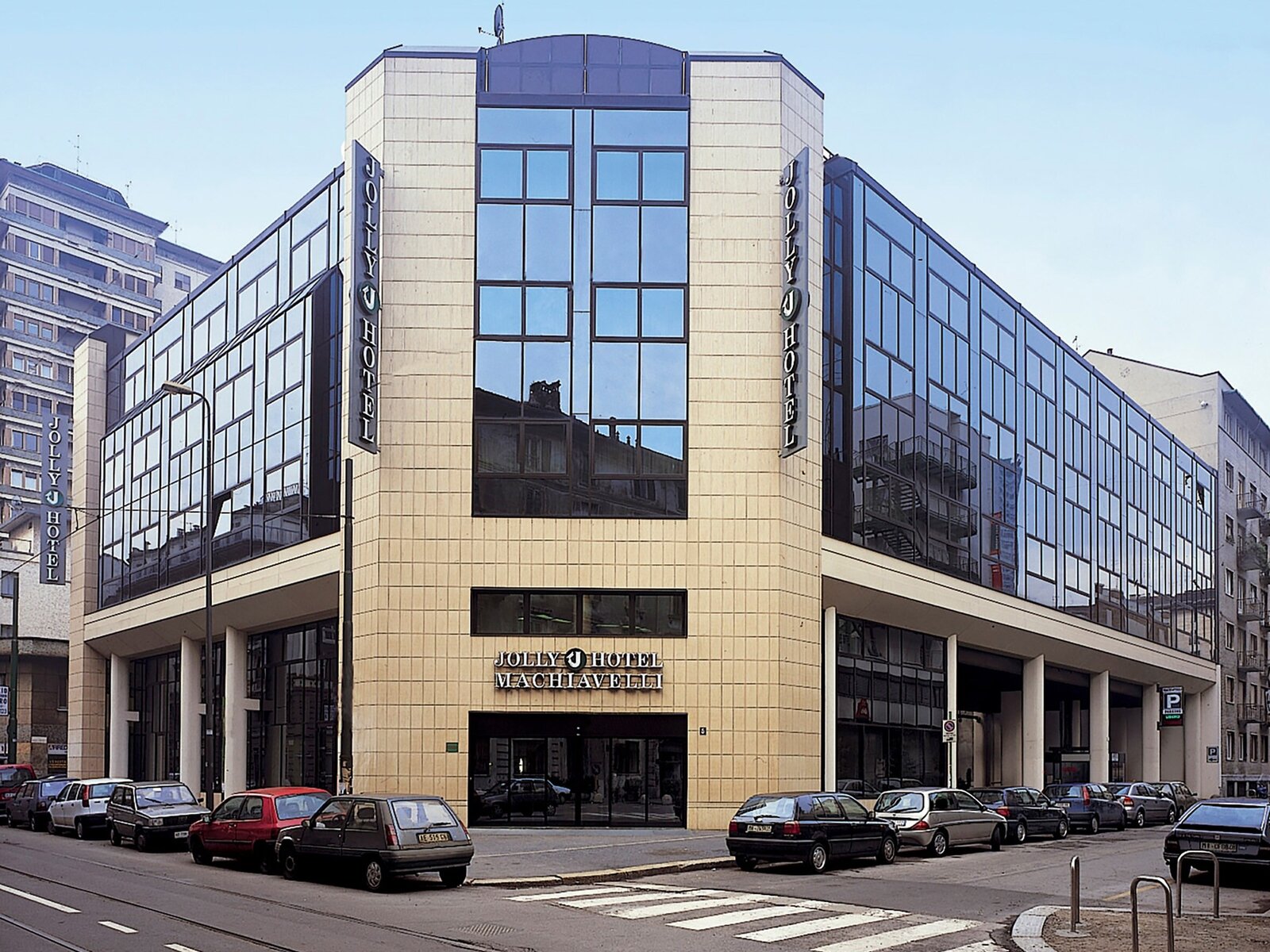
A modern business-style hotel near Cadorna station with straightforward metro access to the site.
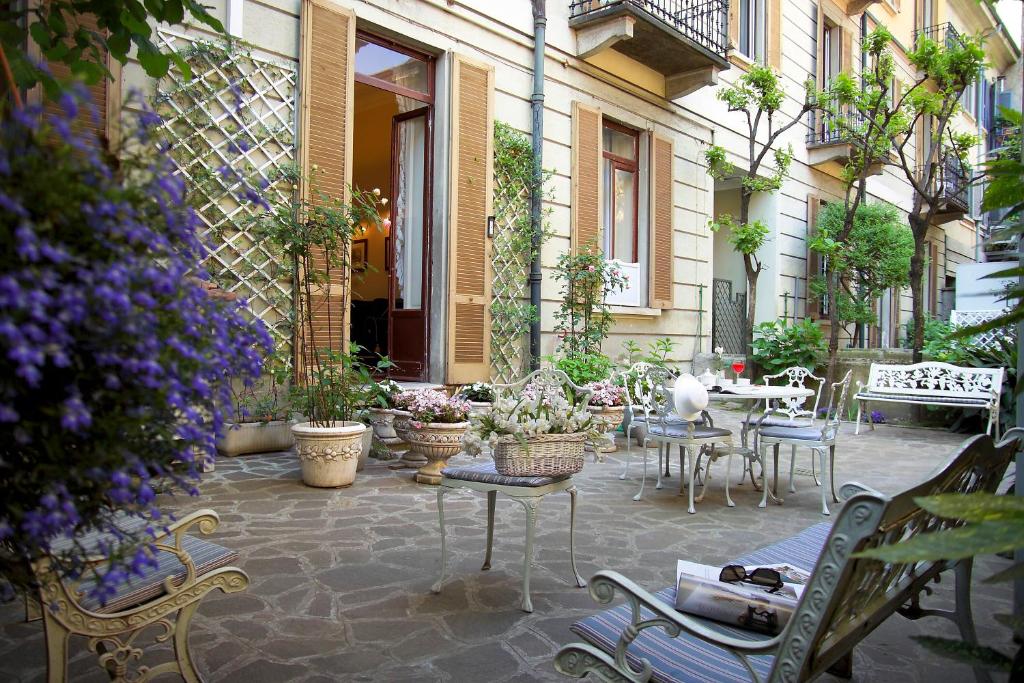
A small heritage guesthouse a short walk from the refectory, set in a converted 19th-century building.
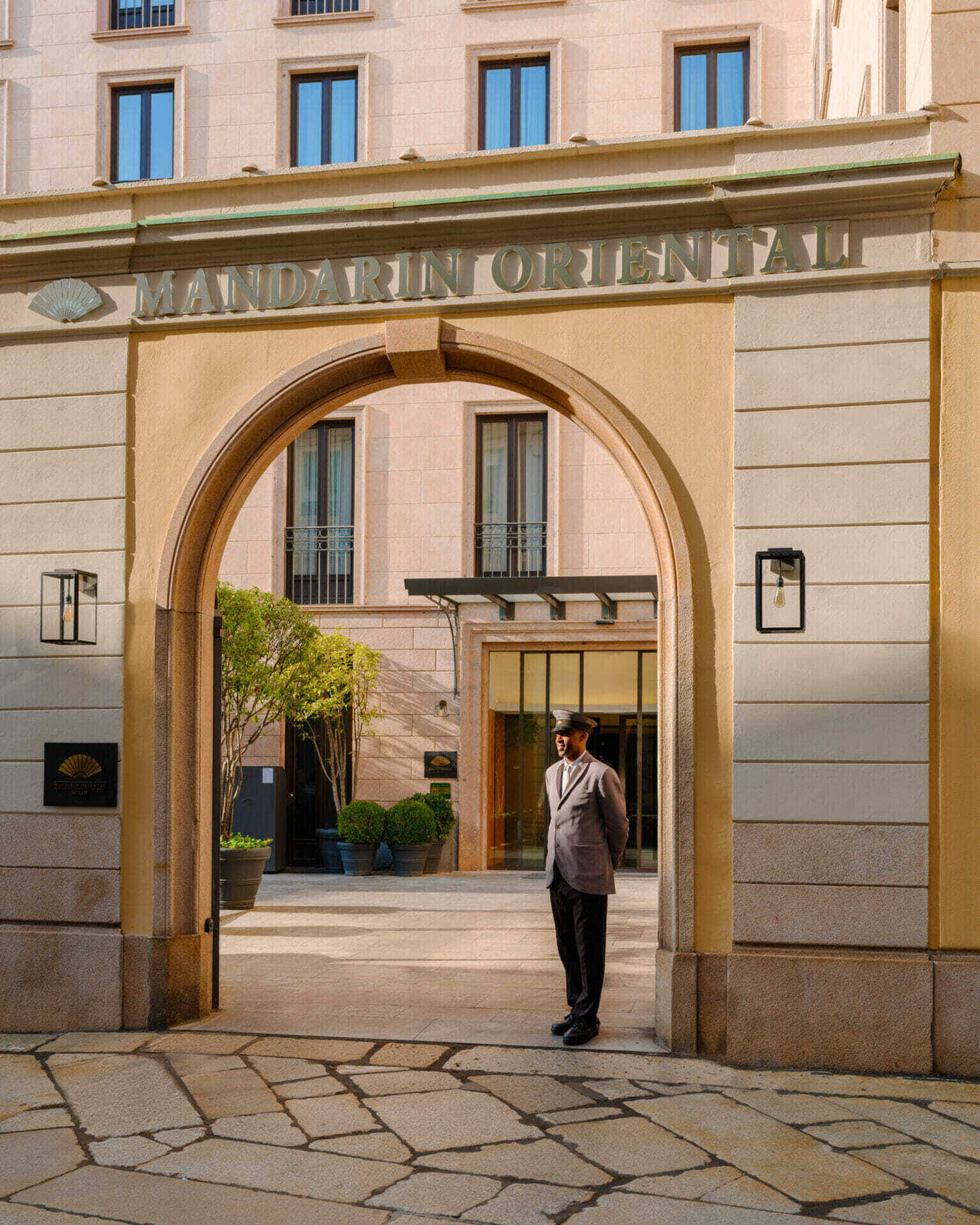
A five-star property near Montenapoleone offering a short taxi or tram ride to the Cenacolo area.
Join thousands of happy travelers who have discovered this incredible experience
Book Your Experience Now